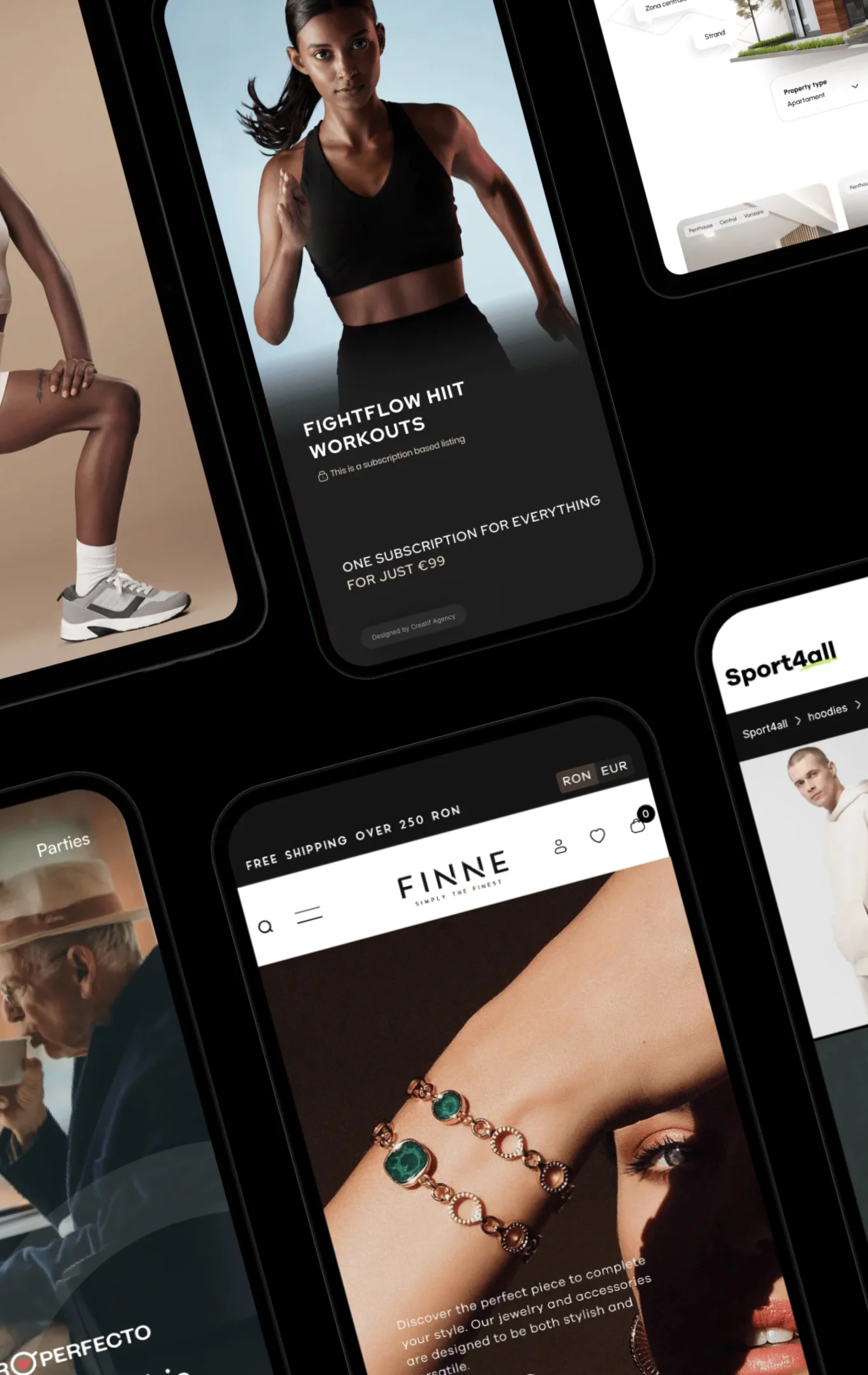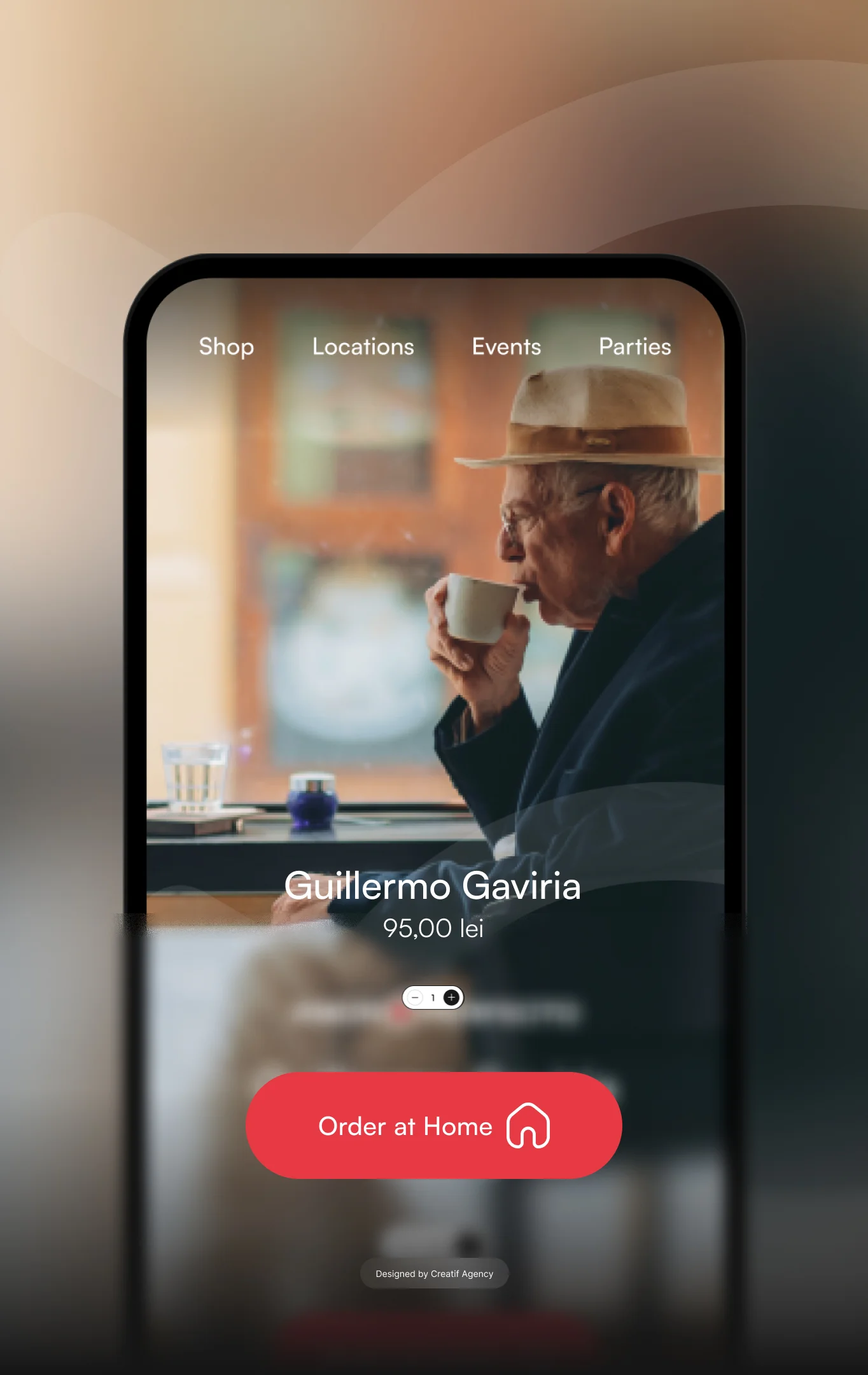
In 2026, German users expect fast websites, clear company information, and zero friction on mobile devices. Trust happens quickly, so your website must show proof, process, and contact clarity within minutes. Privacy expectations remain strict, which means your cookie consent and tracking setup must be implemented carefully. If you combine strong structure, clean UX, and Germany-ready legal pages, your website performs better in both rankings and conversions.
How to Start a Website in Germany
Before diving into the intricate details of web development, it’s essential to understand the initial steps involved in starting a website in Germany. The first thing you’ll need is a domain name, which serves as the address of your website on the internet. Choose a domain name that is relevant to your business or personal brand and reflects the German market you are targeting.

Once you have a domain name, the next step is finding a reliable web hosting service in Germany. A good hosting provider ensures that your website is accessible to users, securely stores your data, and offers technical support. Take the time to research different hosting options to find one that suits your needs and budget.
After securing your domain and web hosting, it’s time to choose a Content Management System (CMS) for your website. A CMS allows you to create and manage your website without needing advanced technical skills. Popular CMS options include WordPress, Joomla, and Drupal. Consider the features, customization options, and user-friendliness of each CMS before making your decision.
With a domain, hosting, and CMS in place, you’re ready to move on to the next steps of website creation.
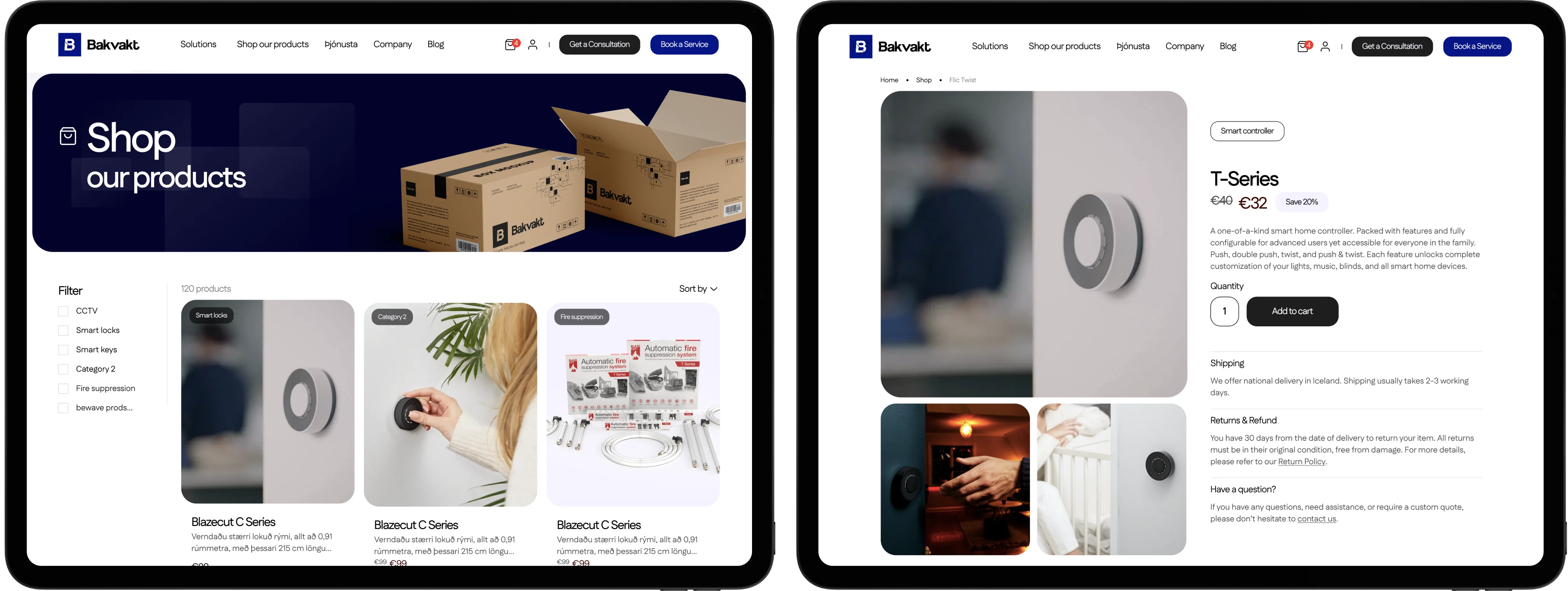
The Basics of Creating a Website in Germany
Now that you have the foundation in place, it’s time to start building your website. Begin by outlining your website’s structure and content. Determine the pages you want to include, such as the homepage, about page, services or product pages, and contact page. Having a clear idea of your website’s structure will make the development process smoother.
Quick checklist:
Clear homepage promise, plus who you help and the outcome you deliver.
Simple navigation with services, proof, pricing signals, and contact access.
Fast loading pages, optimized images, and minimal heavy scripts.
Mobile-first layouts with readable typography and strong spacing.

Trust blocks: testimonials, case studies, client logos, and clear process steps.
GDPR-ready privacy, cookie consent, and transparent data handling.
Secure setup with SSL, updates, backups, and basic hardening.
When it comes to design, consider the preferences of your German audience. German web users appreciate clean and professional designs that are easy to navigate. Opt for a visually appealing layout, choose fonts and colors that align with your brand, and ensure that your website is mobile-friendly as more and more people are accessing the internet via smartphones.
Next, start creating the individual pages of your website. Pay attention to the content you include on each page and ensure it is relevant, engaging, and tailored to your target audience. Invest time in crafting compelling copy that highlights the unique selling points of your business or portfolio.
As you add content to your website, optimize it for search engines. Conduct keyword research and incorporate relevant keywords into your page titles, headings, and content. This will help improve your website’s visibility in German search engine results, attracting more organic traffic.
Hosting in Germany: what to prioritize in 2026
Choose EU-based hosting that can guarantee stable performance during traffic spikes and peak business hours. Confirm server location, security standards, and backup policies before you commit to a contract. If you target German customers, faster Germany or nearby EU servers usually improve page speed and reduce bounce rates. Also confirm support response times, because slow hosting support creates expensive downtime risk.
The success of your website depends on the web hosting service you choose. To ensure a smooth and efficient digital experience for your visitors, take note of these tips when selecting a web hosting service in Germany:
Check out Creatif Agency’s full services.
- Consider the hosting provider’s reliability and uptime. A reputable hosting service guarantees that your website will be accessible to users at all times.
- Assess the available storage and bandwidth. Ensure that the hosting plan you choose provides ample resources to accommodate your website’s content and traffic.
- Check for customer support options. A responsive and knowledgeable support team can help you troubleshoot issues and maintain the optimal functioning of your website.
- Research the server location. Hosting your website on servers located in Germany can improve loading speeds for users within the country and positively impact your website’s SEO.
- Read reviews and compare prices. Take the time to evaluate different hosting providers, read customer reviews, and compare pricing plans to find the best value for your money.
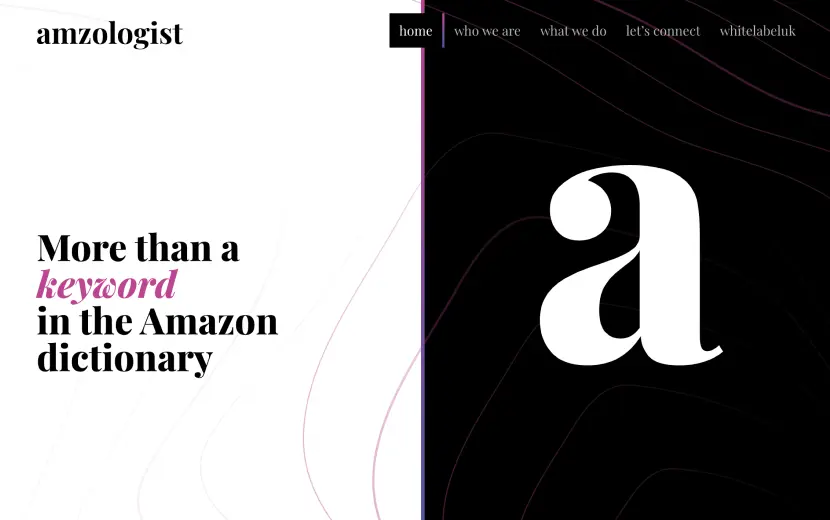
How to Choose a Web Development Company in Germany
If the process of creating a website in Germany seems overwhelming, consider partnering with a professional web development company. Here’s what to keep in mind when choosing a company:
Visit Creatif Agency’s website for top-notch web development services in Germany.
- Check the company’s portfolio. Review their previous projects to ensure they have experience creating websites that align with your vision and goals.
- Read client reviews and testimonials. Gain insights into the company’s reputation, communication skills, and ability to deliver projects on time and within budget.
- Understand their technology stack. Ensure the company has expertise in the specific technologies and platforms necessary for your website’s development.
- Inquire about ongoing support and maintenance. A reliable web development company should offer post-launch support to address any issues or updates that may arise.
- Consider the company’s understanding of the German market. Look for a company that has worked with German clients or has experience creating websites tailored to the German audience.
Creating a new website in Germany requires careful planning, attention to detail, and a deep understanding of your target audience. By following this guide, you’ll be well on your way to establishing a successful online presence in the German market.
Common Errors to Avoid When Creating a Website in Germany
While creating a website can be exciting, it’s essential to be aware of the common errors that can hinder its success. Avoid these mistakes to ensure your website’s effectiveness:
Discover the top website design mistakes to avoid.
- Ignoring mobile optimization. With a significant portion of web users accessing the internet via mobile devices, it’s crucial to ensure your website is fully responsive and optimized for mobile viewing.
- Overloading your website with excessive content or large media files. Slow-loading websites can frustrate users and negatively impact your search engine rankings.
- Forgetting about search engine optimization. Implement SEO best practices to increase your website’s visibility and attract organic traffic.
- Ignoring the importance of website security. Protect your website and users’ sensitive information by implementing SSL certificates and regularly updating your software.
- Neglecting regular website maintenance and updates. Keep your website functioning optimally by conducting routine checks, updating plugins, and fixing broken links.
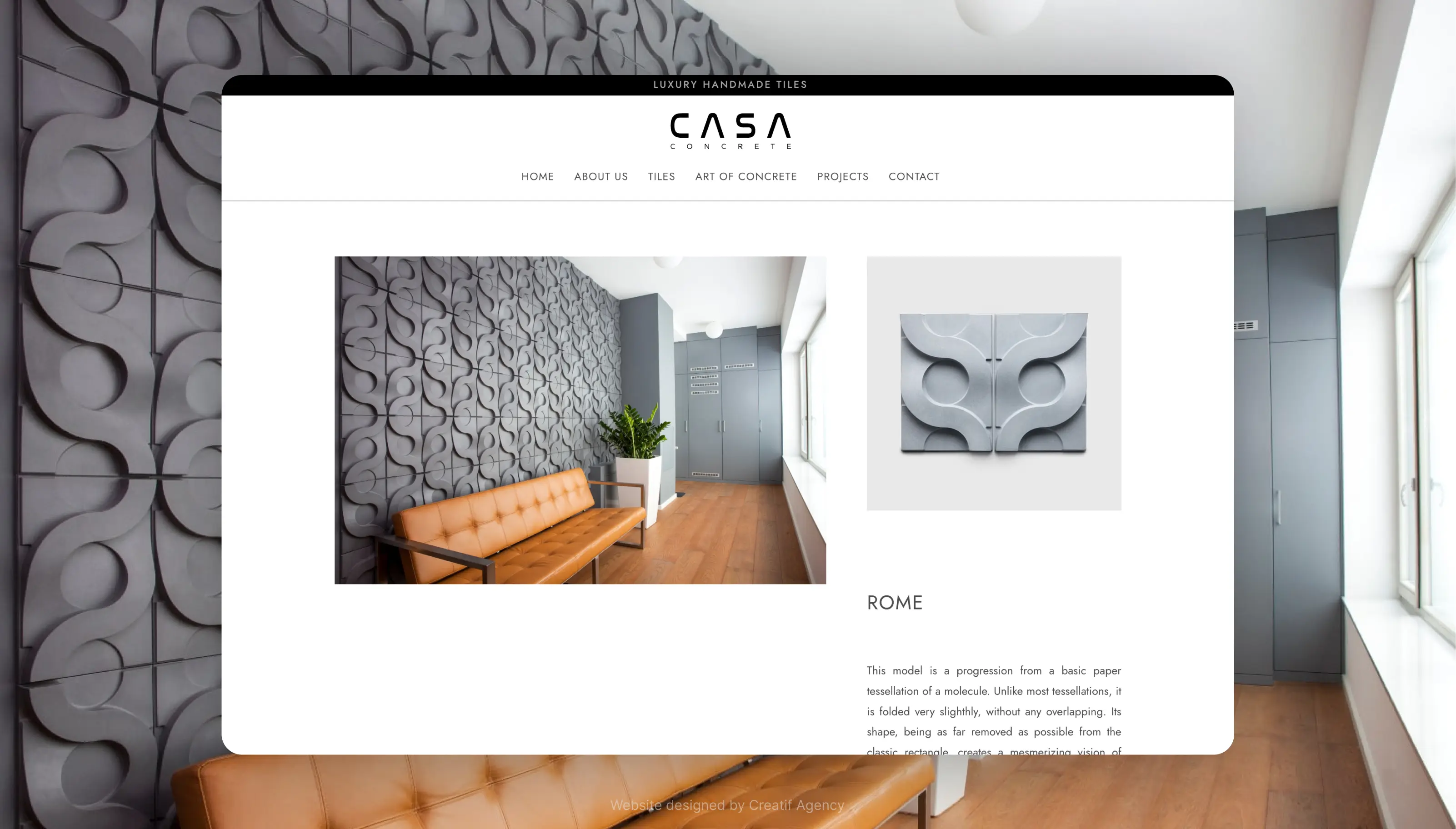
How to Create a Professional Looking Website in Germany
To make a strong impression on your German audience, it’s essential to create a professional-looking website that reflects the quality of your business or personal brand. Consider the following tips:
Visit our website to learn more about our web design services.
- Use high-quality images and visual elements that align with your brand identity. Invest in professional photography or utilize reputable stock image platforms.
- Create an intuitive and user-friendly navigation system. Make it easy for users to find the information they need and navigate between pages.
- Ensure consistent branding throughout your website. Use your logo, colors, and fonts consistently to create a cohesive and recognizable visual identity.
- Showcase social proof and testimonials. Display positive customer reviews and testimonials to build trust and credibility with your German audience.
- Include clear and concise calls-to-action (CTAs). Guide visitors through the desired actions, such as completing a purchase or contacting your business.

How to Optimize Your Website for German Leads
If you’re targeting the German market, optimizing your website for local leads is crucial. Implement the following strategies to attract and engage German visitors:
Learn more about the importance of optimizing your website for local SEO.
- Conduct keyword research specific to the German market. Identify popular search terms and incorporate them strategically into your website’s content.
- Create localized content. Translate your website into German and tailor your content to the cultural preferences and needs of the German audience.
- Include German testimonials and case studies. Showcase how your products or services have benefited German customers.
- Optimize your Google My Business listing. Claim and optimize your listing with accurate business information and encouraging customer reviews.
- Consider localizing your payment methods and shipping options. Cater to the preferences and expectations of German customers when it comes to transactions.
Legal and trust essentials for websites in Germany
German users and business buyers often check legal and company information before they contact you. Make sure your website clearly shows your business identity, contact options, and policies in a professional structure. Add dedicated pages for imprint, privacy, and terms, and keep them consistent with how you actually operate. If you use analytics, pixels, or retargeting, implement cookie consent correctly and make the choice clear. Trust improves when visitors feel informed, not tracked or pushed
Tips to Promote Your Website in Germany
Having a great website is only half the battle. To maximize its reach and impact in Germany, you need to implement effective promotion strategies:
Check out our marketing services to take your online presence to the next level.
- Utilize social media marketing. Create engaging content, establish a presence on popular social media platforms in Germany, and leverage paid advertising options.
- Implement email marketing campaigns. Build a targeted email list and send regular newsletters and promotions to keep your German audience engaged.
- Collaborate with influencers or bloggers in the German market. Partnering with influential individuals can help increase your website’s visibility and attract relevant traffic.
- Utilize search engine marketing (SEM) strategies. Invest in paid advertising on search engines to reach potential customers actively searching for products or services in Germany.
- Participate in relevant German online communities and forums. Contribute valuable insights and establish yourself as an authority in your niche.
Interested to create a website for a German based business?
Our team of experts is ready to help you with the complete process for your business and create a website that not only looks good but also performs well. Contact us today to get started.
More articles



Web designer and co-founder of Creatif Agency. Over a decade working in branding and web design, building custom websites and brand identities for startups and established businesses across Europe and the US. Every article on this site is written from direct experience running projects, not theory.