Promote Your Local Business in San Diego
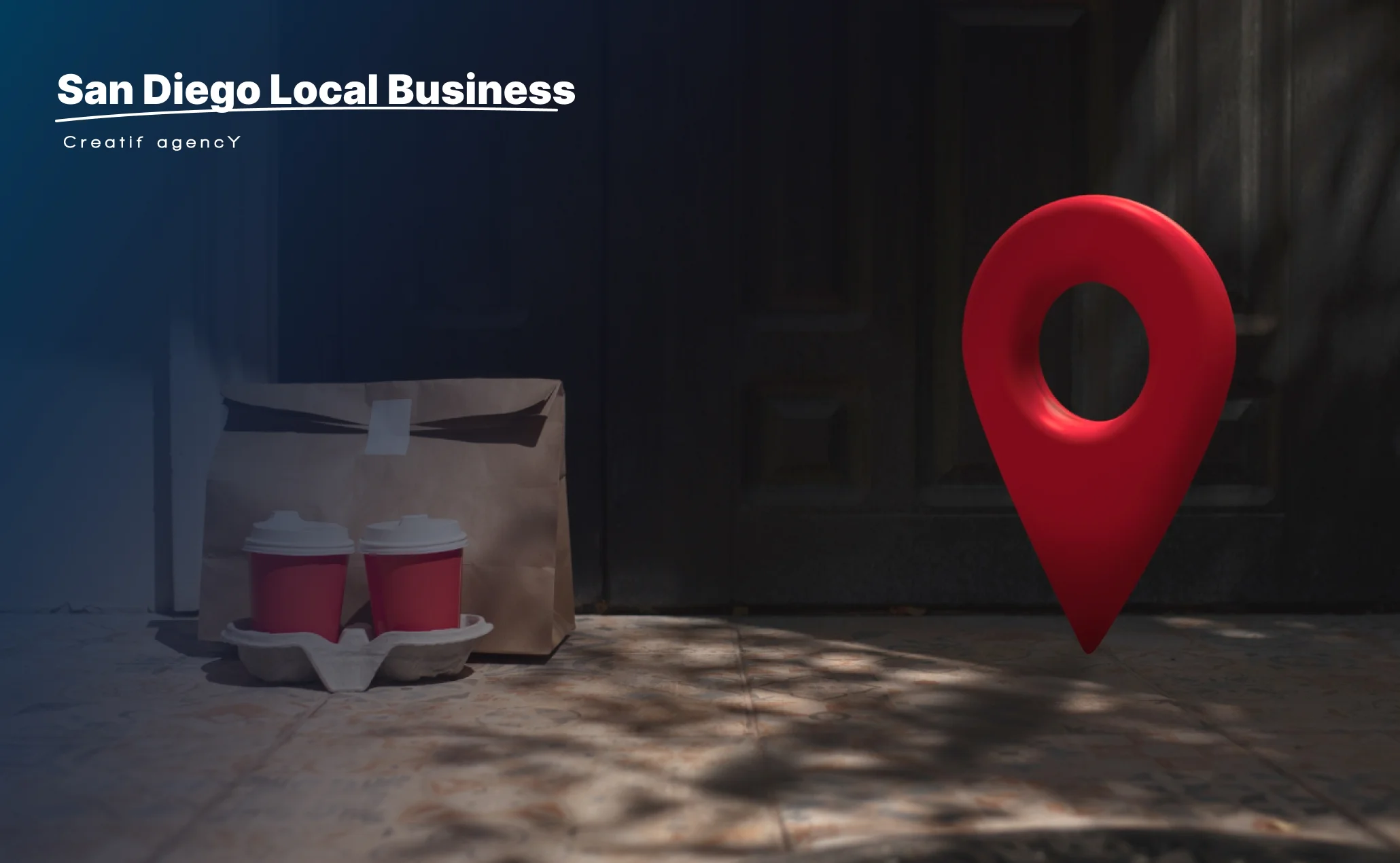
San Diego, known for its vibrant economy and diverse population, is a thriving hub for local businesses. With a rich blend of cultures, the city offers a unique marketplace for entrepreneurs. However, standing out in such a competitive environment requires strategic promotion and marketing. This guide will provide you with comprehensive strategies to effectively promote your local business in San Diego.
Let’s Advertise Your Business in San Diego

Before diving into promotional strategies, it’s crucial to understand the San Diego market. The city is home to a diverse population with varied interests and needs. Therefore, understanding your target audience is the first step towards effective promotion.

San Diego is also known for its strong support for local businesses. The city’s residents appreciate the uniqueness and authenticity that local businesses bring to the community. Leveraging this sentiment can be a powerful promotional tool.
Identifying Your Target Audience
Identifying your target audience involves understanding who your customers are, what they need, and how your business can meet those needs. This process involves researching demographics, consumer behavior, and market trends.
Once you’ve identified your target audience, you can tailor your promotional strategies to appeal to them. This could involve using specific language, imagery, or promotional channels that resonate with your audience.
Understanding Local Trends
Staying abreast of local trends can provide valuable insights for your promotional strategies. This could involve monitoring local news, social media, and community events. Understanding what’s happening in your community can help you align your business with local interests and values.
For example, if there’s a growing trend towards sustainability in San Diego, you could promote your business as eco-friendly. This not only aligns your business with local values but also differentiates you from competitors.
Effective Marketing Strategies in San Diego
Once you’ve understood the San Diego market and your target audience, you can start implementing promotional strategies. These strategies should be tailored to your audience and aligned with your business goals.
Effective promotional strategies can involve a combination of online and offline methods. The key is to be consistent and authentic in your promotions.
Online Promotion in San Diego
Online promotion is a powerful tool for reaching a wide audience. This can involve using social media, email marketing, and search engine optimization (SEO).
Social media platforms like Facebook, Instagram, and Twitter can help you connect with your audience on a personal level. You can share updates, promotions, and engage with your customers directly.
Email marketing can be used to keep your customers informed about new products, special offers, and events. It’s a direct and personal way to communicate with your customers.

SEO involves optimizing your website to rank higher in search engine results. This can increase your visibility and attract more customers to your business.
Offline Promotion
While online promotion is crucial, offline promotion should not be overlooked. This can involve traditional methods like print advertising, direct mail, and networking events.
Print advertising can involve placing ads in local newspapers, magazines, or billboards. This can be an effective way to reach a local audience.
Direct mail involves sending promotional materials directly to your customers’ homes. This can be a great way to grab attention and encourage customers to visit your business.
Networking events can provide opportunities to connect with other local businesses and potential customers. Participating in these events can increase your visibility and establish your business as a part of the community.
Partnerships and Collaborations
Partnering with other local businesses or organizations can be a powerful promotional strategy. This can involve co-hosting events, cross-promotion, or collaborative projects.
These partnerships can increase your visibility, reach a wider audience, and create a sense of community. It’s a win-win situation for both parties involved.
Co-hosting Events
Co-hosting events with other local businesses can attract a larger audience than hosting alone. These events can provide opportunities to showcase your products or services and engage with potential customers.
Additionally, co-hosting events can strengthen your relationships with other local businesses. This can lead to future collaborations and mutual support.
Cross-Promotion
Cross-promotion involves promoting another business in exchange for them promoting yours. This can be an effective way to reach a wider audience and gain new customers.
For example, you could offer a discount to customers who show a receipt from a partner business. In return, the partner business could offer a similar promotion for your customers.
Collaborative Projects
Collaborative projects can involve working with other businesses or organizations to create something unique. This could be a product, service, or event that combines the strengths of both parties.
These projects can generate buzz and attract attention to your business. They can also strengthen your relationships with other local businesses and organizations.
Conclusion
Promoting your local business in San Diego involves understanding your target audience, implementing effective promotional strategies, and forming partnerships with other local businesses. With these strategies, you can stand out in the competitive San Diego market and grow your business.
Remember, the key to successful promotion is authenticity and consistency. By staying true to your brand and consistently reaching out to your audience, you can build a strong and loyal customer base.
Read More
More articles




Web designer and co-founder of Creatif Agency. Over a decade working in branding and web design, building custom websites and brand identities for startups and established businesses across Europe and the US. Every article on this site is written from direct experience running projects, not theory.