How can I start my own e-commerce website?

Learn how to kickstart your e-commerce journey with our comprehensive guide on starting your own website.
How to create your own e-commerce website
Starting an e-commerce website requires a strategic approach and a deep understanding of the digital marketplace. At Creatif Agency we will walk you through the process of setting up your own e-commerce website, focusing on the importance of web design, particularly in the vibrant city of Berlin.

Understanding the Basics of E-Commerce
The first step to starting your own e-commerce website is understanding what e-commerce entails. E-commerce, or electronic commerce, refers to the buying and selling of goods or services using the internet. It also involves the transfer of money and data to execute these transactions. E-commerce is often used to refer to the sale of physical products online, but it can also describe any kind of commercial transaction that is facilitated through the internet.
There are several types of e-commerce models that can describe a variety of transactions. These include B2C (Business-to-Consumer), B2B (Business-to-Business), C2C (Consumer-to-Consumer) and C2B (Consumer-to-Business). Understanding these models can help you determine the best approach for your e-commerce website.
Choosing the Right E-commerce Model
The choice of an e-commerce model largely depends on the nature of the transactions you intend to facilitate. For instance, if you plan to sell products directly to consumers, the B2C model would be the most appropriate. On the other hand, if you intend to provide a platform where consumers can sell to other consumers, like eBay, the C2C model would be the best choice.
It’s important to note that the choice of an e-commerce model can significantly impact the design and functionality of your website. Therefore, it’s crucial to make this decision early on in the process.
Web Design and Development
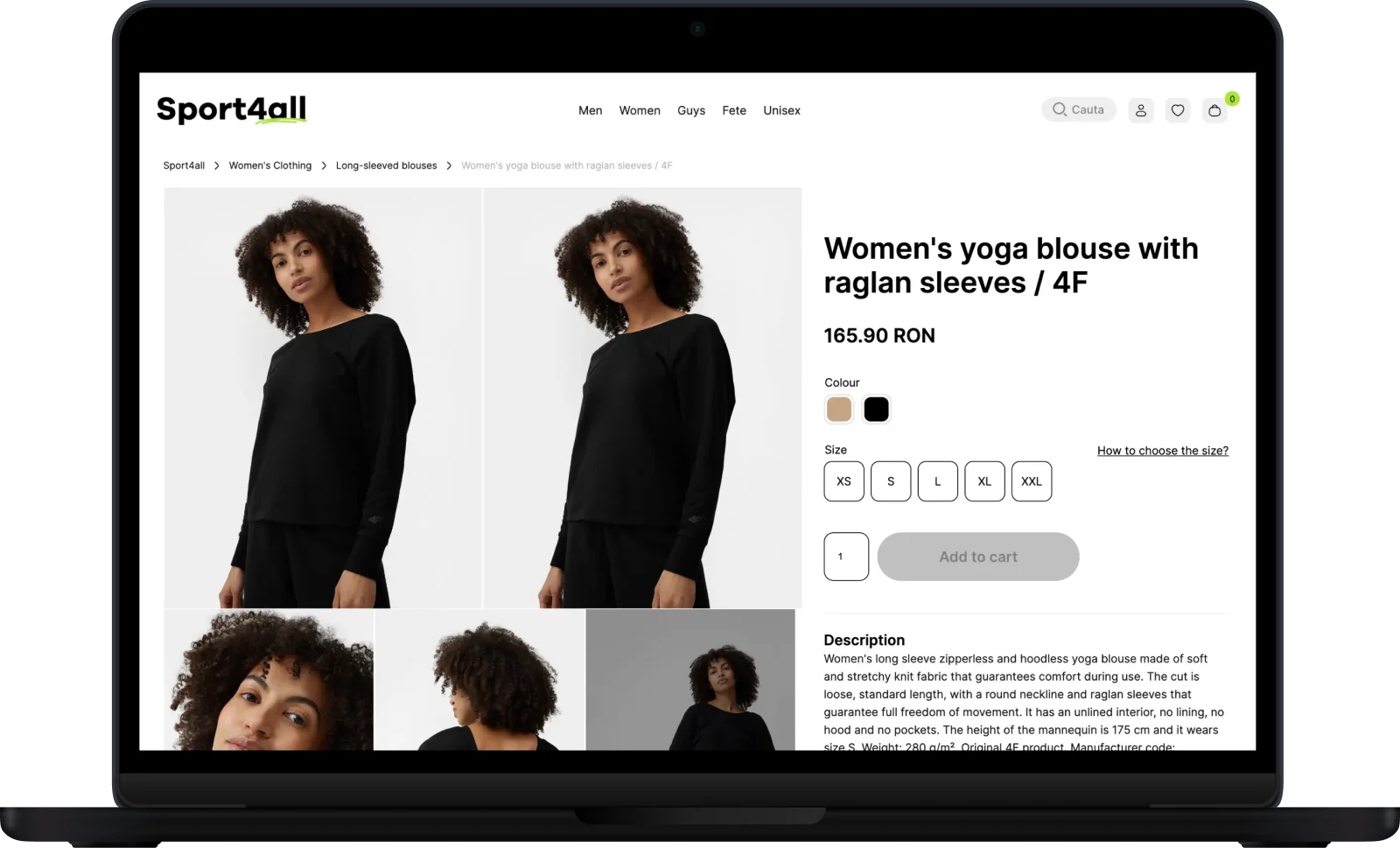
Web design involves creating the visual aesthetics and usability of a website. It uses various design programs and tools to achieve the desired look and feel. Web development, on the other hand, involves turning the design into a fully functioning website. This is done using various coding languages such as HTML, CSS, and JavaScript.
Importance of Good Web Design
Good web design is crucial for any online business. It not only makes your website appealing but also enhances user experience. A well-designed website can help build trust with your customers, making them more likely to make a purchase.
Furthermore, good web design is essential for SEO (Search Engine Optimization). Search engines like Google reward websites that offer great user experiences. This includes fast loading times, mobile-friendly design, easy navigation, and high-quality content.
Web Design in Berlin
Berlin, the vibrant capital of Germany, is a hub for web design. The city is home to a large number of web design agencies and freelancers who specialize in creating e-commerce websites. These professionals understand the unique needs of online businesses and can create websites that not only look great but also perform well in search engines.
Whether you’re a Berlin-based business or an international company looking to tap into the German market, hiring a Berlin web designer can be a great decision. They can help you create a website that appeals to your target audience and meets your business goals.
Setting Up Your E-commerce Website
Once you’ve designed your website, the next step is to set it up. This involves choosing a domain name, selecting a web hosting provider, and setting up an e-commerce platform.

Your domain name is your website’s address on the internet. It should be easy to remember and spell. Your web hosting provider, on the other hand, is the company that provides the technology needed for your website to be viewed on the internet.
Choosing an E-commerce Platform
An e-commerce platform is a software application that allows online businesses to manage their website, sales, and operations. Popular e-commerce platforms include Shopify, WooCommerce, and Magento. Each platform has its pros and cons, so it’s important to choose one that fits your business needs.
For instance, Shopify is known for its user-friendly interface and excellent customer support. WooCommerce, on the other hand, is a free plugin for WordPress that offers a lot of flexibility and customization options. Magento is a robust platform suitable for large e-commerce stores.
Optimizing Your E-commerce Website for SEO
SEO is a crucial aspect of any e-commerce website. It involves optimizing your website to rank higher in search engine results, which can lead to increased visibility and more traffic.
There are several SEO strategies you can implement on your e-commerce website. These include keyword optimization, creating high-quality content, improving your website’s loading speed, and ensuring your website is mobile-friendly.
Keyword Optimization
Keyword optimization involves using relevant keywords in your website’s content and meta tags. These keywords are what users type into search engines when looking for products or services. By using relevant keywords, you can improve your website’s visibility on search engine results.
Creating High-Quality Content
Creating high-quality content is another effective SEO strategy. This involves creating informative and engaging content that provides value to your users. This can include blog posts, product descriptions, and how-to guides. High-quality content can help attract and retain users, which can ultimately lead to increased sales.
Improving Website Loading Speed
Website loading speed is a crucial factor in user experience and SEO. A slow-loading website can frustrate users and lead them to leave your site. On the other hand, a fast-loading website can enhance user experience and improve your website’s ranking on search engine results.
Ensuring Mobile-Friendliness
With the increasing use of mobile devices for online shopping, it’s crucial to ensure that your e-commerce website is mobile-friendly. A mobile-friendly website is one that looks and functions well on mobile devices. This can improve user experience and boost your website’s SEO.
Conclusion
Starting your own e-commerce website can be a rewarding venture. It involves understanding the basics of e-commerce, designing and developing your website, setting it up, and optimizing it for SEO. While the process can be challenging, the potential rewards make it worth the effort.
Whether you’re in Berlin or any other part of the world, a well-designed and optimized e-commerce website can help you reach a wider audience and increase your sales. So, take the first step today and start building your e-commerce empire.
Read more
More articles





Web designer and co-founder of Creatif Agency. Over a decade working in branding and web design, building custom websites and brand identities for startups and established businesses across Europe and the US. Every article on this site is written from direct experience running projects, not theory.