Best Ways to Promote Your Business in Germany
In 2026, promoting a business in Germany is less about being everywhere and more about being credible fast. German buyers still research deeply, but they decide faster when they see clear proof, clear process steps, and transparent company information. Your website must answer trust questions within minutes, your messaging must avoid exaggeration, and your marketing must respect privacy expectations. If you combine strong positioning with a high-performance website and intent-driven channels, Germany becomes one of the most predictable markets in Europe for sustainable growth.
Understanding the German Market
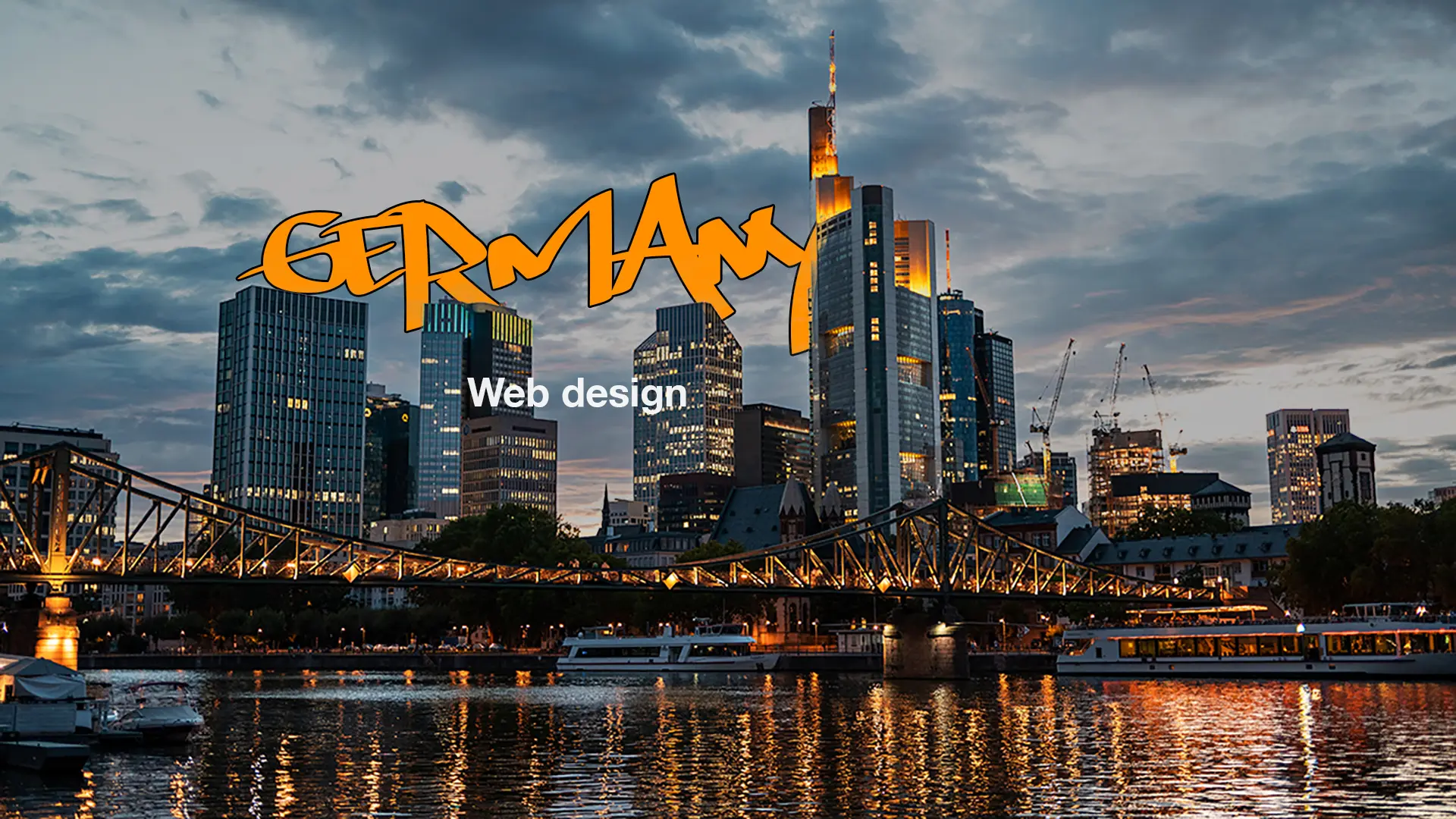
Before you can effectively promote your business in Germany, it’s crucial to understand the dynamics of the German market. Germany is the largest economy in Europe, and it’s characterized by a highly skilled labor force, a large capital stock, and a low level of corruption. However, it’s also a highly competitive market, with a strong emphasis on quality, efficiency, and precision.

German consumers are known for their discerning tastes and high expectations. They value products and services that are reliable, durable, and well-engineered. Therefore, to succeed in the German market, your business must be able to meet these high standards.
Market Research
Conducting thorough market research is a crucial first step in understanding the German market. This involves analyzing the competitive landscape, identifying potential customers, and understanding their needs and preferences. Market research can also help you identify potential barriers to entry and develop strategies to overcome them.
There are several ways to conduct market research in Germany. You can use online resources, hire a market research firm, or conduct surveys and focus groups. The key is to gather as much information as possible to make informed decisions about your marketing strategy.
A simple approach is to map your market into three intent groups: buyers ready to act, buyers comparing options, and buyers validating trust. In Germany, the validation step is bigger than most markets, so you must plan content and proof for that stage. Think case studies, pricing guidance, process explanations, and clear answers to common objections.
Also, research should include “trust benchmarks” used by German buyers in your niche. Check competitor pages for proof formats, legal clarity, and how they communicate scope, timelines, and guarantees. Then build a short checklist and ensure your website and sales pages cover every item clearly.
Building a Strong Brand
Building a strong brand is crucial for promoting your business in Germany. A strong brand can help you stand out from the competition, build trust with customers, and create a loyal customer base. However, building a brand in Germany requires a deep understanding of the local culture and values.
German consumers value authenticity, quality, and sustainability. Therefore, your brand should reflect these values. This could involve highlighting the quality of your products, demonstrating your commitment to sustainability, or showcasing your company’s history and heritage.
Brand Messaging
Your brand messaging should be clear, consistent, and aligned with your company’s values. It should convey what your company stands for, what it offers, and why it’s different from the competition. Remember, German consumers value honesty and transparency, so avoid making exaggerated claims or promises you can’t keep.

It’s also important to localize your brand messaging for the German market. This involves more than just translating your content into German. It also means adapting your messaging to reflect local culture, humor, and idioms. This can help your brand resonate more deeply with German consumers.
For the German market, prioritize clarity over cleverness. Use specific language, measurable outcomes, and concrete deliverables instead of broad claims like “best quality” or “world-class.” If your brand is premium, the fastest way to communicate it is through structure, detail, and proof, not adjectives.
Effective Marketing Channels
Choosing the right marketing channels is crucial for promoting your business in Germany. The best channels for your business will depend on your target audience, your product or service, and your marketing objectives.
Germany has a high internet penetration rate, making digital marketing an effective strategy for reaching a large audience. However, traditional marketing channels, such as print and broadcast media, can also be effective, particularly for reaching older demographics.
Business Marketing in Germany
Digital marketing is a cost-effective way to reach a large audience in Germany. This can involve search engine optimization (SEO), pay-per-click (PPC) advertising, social media marketing, and content marketing.
SEO and PPC can help your business appear in search results when potential customers are looking for products or services like yours. Social media marketing can help you build a community around your brand, while content marketing can help you demonstrate your expertise and provide value to your audience.
Traditional Marketing in Germany
Despite the rise of digital marketing, traditional marketing channels still have a place in the German market. Print media, such as newspapers and magazines, have a high readership in Germany. Broadcast media, such as TV and radio, can also reach a large audience.
Outdoor advertising, such as billboards and posters, can be effective for raising brand awareness. Direct mail can also be effective, particularly for targeting specific demographics or geographic areas.
Interested to advertise your business in Germany? Creatif Agency can help you position your brand in the German market.
Google Business Profile and local visibility
If you serve customers in a region or city, a well-managed Google Business Profile can drive high-intent inquiries. Keep your categories accurate, publish updates, add fresh photos, and build a steady review flow. Pair your profile with city-relevant landing pages that include proof and local context, not thin duplicate content.
B2B demand generation on LinkedIn
For B2B services, LinkedIn often plays a validation role in Germany, especially for higher-ticket decisions. Use it to publish proof, process insights, and clear expertise, then drive traffic to focused landing pages. Strong lead magnets in Germany are practical: checklists, cost guides, and short playbooks with clear next steps.
Content marketing built for comparison intent
German buyers compare carefully, so create content that helps them choose. The best formats are “how it works,” cost breakdowns, comparisons, and decision frameworks. When your content answers risk questions with structure and proof, it becomes both an SEO asset and a conversion asset.
Traditional Marketing in Germany
For certain industries in Germany, offline still performs best when it is connected to digital follow-through. Trade fairs, industry events, and local partnerships can generate excellent leads, but only if you capture interest with a clear offer and route it to a dedicated landing page. A simple post-event follow-up sequence often outperforms broader awareness spending.
Legal Considerations
At minimum, ensure your website communicates clear company identity, contact details, and transparent business information. In Germany, missing or unclear legal pages reduce trust fast, even before a prospect contacts you. If you run paid campaigns, align your tracking and analytics with consent expectations and document what you collect and why.
Email marketing and outreach require extra caution in Germany. Avoid sending promotional emails without a clear lawful basis and documented consent approach, and ensure unsubscribe handling is simple and immediate. When in doubt, build acquisition through search intent, content, and partnerships rather than risky cold outreach.
In conclusion, promoting your business in Germany requires a nuanced understanding of the local market, a strong brand, effective marketing channels, and compliance with legal regulations. By following these strategies, you can effectively promote your business in Germany and tap into the country’s robust economy and thriving business environment.
Discover the Best Branding Agencies in Germany
More articles


Web designer and co-founder of Creatif Agency. Over a decade working in branding and web design, building custom websites and brand identities for startups and established businesses across Europe and the US. Every article on this site is written from direct experience running projects, not theory.