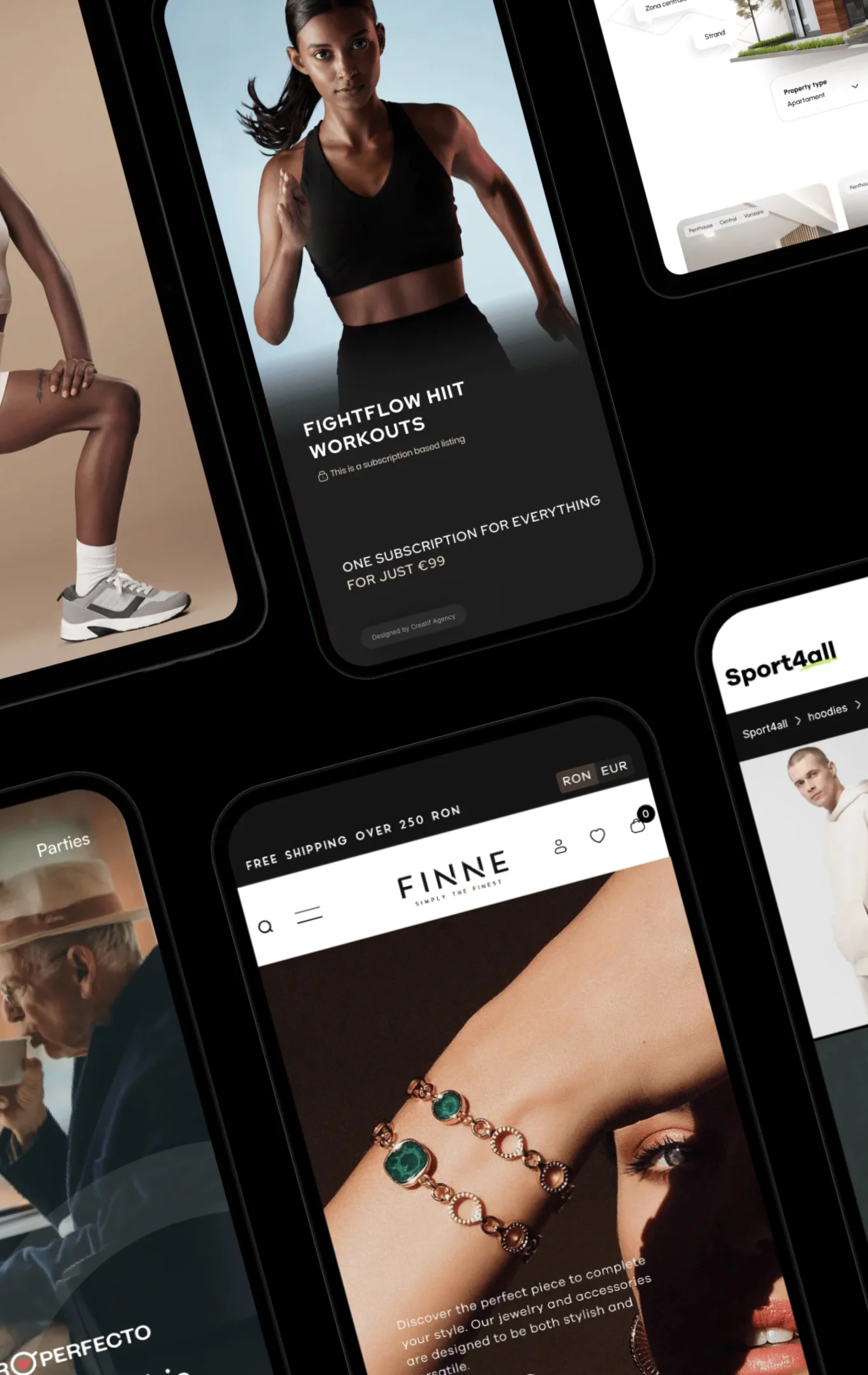
Essential Features Every Small Business Website Needs in 2025

As we look towards 2025, user expectations continue to evolve, and technology offers new ways to connect and convert. To stay competitive and thrive, your website needs to be equipped with the right features. This guide provides a comprehensive checklist of essential features every small business website should have in 2025, from the foundational elements to those that will help you engage customers and prepare for the future.
Foundational Features: The Non-Negotiables for 2025
These are the absolute must-haves. Without them, your website will struggle to make an impact or even be found.

Clear Navigation & Intuitive User Interface (UI): Visitors should be able to find what they’re looking for quickly and easily. This means logical menus, a clear site structure, and an uncluttered layout. Think simple, think intuitive.
Mobile-First Responsive Design: In 2025, designing for mobile users first isn’t just a good idea; it’s a necessity. Your website must adapt seamlessly and look great on all devices – desktops, tablets, and especially smartphones. Google’s mobile-first indexing prioritizes mobile-friendly sites.
Fast Loading Speed (Performance): Patience is thin online. A slow-loading website leads to high bounce rates and frustrates users. Aim for fast load times by optimizing images, leveraging browser caching, and choosing good hosting. Keep an eye on Google’s Core Web Vitals.
Compelling Homepage: Your homepage is your digital storefront. It needs to grab attention immediately with a clear value proposition, engaging visuals (high-quality images or video), and intuitive calls-to-action that guide visitors.
Informative “About Us” Page: People connect with people. Your “About Us” page is where you tell your story, showcase your team (if applicable), and share your mission and values. This builds trust and rapport.
Detailed Products/Services Pages: Clearly describe what you offer. Use high-quality images, videos, and compelling copy that focuses on benefits, not just features. If applicable, transparent pricing or clear ways to get a quote are crucial.
Easy-to-Find Contact Information & Contact Form: Make it effortless for customers to reach you. Prominently display your phone number, email address, and physical address (if you have one, include an embedded map like Google Maps). A secure contact form with spam protection is also essential.
Strong Call-to-Actions (CTAs): Don’t leave visitors guessing what to do next. Use clear, action-oriented CTAs like “Shop Now,” “Request a Quote,” “Learn More,” “Sign Up,” or “Contact Us Today” strategically throughout your site.
Professional Design & Consistent Branding: Your website’s design should be modern, visually appealing, and reflect your brand identity (logo, colors, fonts). A professional look instills confidence and credibility.
Basic Search Engine Optimization (SEO): Help search engines find and understand your site. This includes optimized title tags, meta descriptions, header tags (H1, H2, etc.), keyword-rich (but natural-sounding) content, image alt text, and an XML sitemap submitted to search engines.

Security (HTTPS/SSL Certificate): An SSL certificate encrypts data exchanged between your website and its visitors, protecting sensitive information. It displays the padlock icon and “HTTPS” in the browser bar, which is vital for user trust and is a known SEO ranking factor.
Legal Pages: Essential for compliance and transparency. Include a:
- Privacy Policy: Explaining how you collect, use, and protect user data (crucial with GDPR, CCPA, etc.).
- Terms & Conditions: Outlining the rules for using your website and services.
- Cookie Policy: Informing users about cookie usage.
Features to Enhance Engagement and Conversions: The Growth Accelerators
Once the foundations are solid, these features can significantly boost user engagement and drive conversions.
High-Quality Blog/Content Section: Regularly publishing valuable content (blog posts, articles, guides) establishes your expertise, improves SEO, attracts organic traffic, and provides value to your audience.
Customer Testimonials & Reviews: Social proof is incredibly powerful. Showcase positive reviews and testimonials from satisfied customers to build credibility and trust.
Online Booking/Appointment Scheduling (if applicable): For service-based businesses, allowing customers to book appointments or schedule consultations directly on your website offers immense convenience and can reduce administrative work.
E-commerce Functionality (if selling products online): If you sell products, robust e-commerce capabilities are a must. This includes secure payment gateways, an intuitive shopping cart, clear product categorization, inventory management, and order tracking.
Live Chat or AI-Powered Chatbot Integration: Offer instant customer support and capture leads with live chat. For 2025, AI-powered chatbots can provide 24/7 assistance, answer common questions, and even qualify leads, freeing up your time.
Email Newsletter Sign-up Forms: Building an email list is one of the most effective ways to nurture leads and communicate directly with your audience. Make it easy for visitors to subscribe.
Social Media Integration: Include clear links to your social media profiles. Enable social sharing buttons on your content so visitors can easily share it with their networks.
Internal Site Search Functionality: Especially important for websites with a lot of content or products. A good search bar helps users quickly find the specific information they’re looking for.
Forward-Thinking Features: Preparing for Tomorrow, Today
Stay ahead of the curve by considering these increasingly important features.
Accessibility Features (WCAG Compliance): Ensure your website is usable by people with disabilities. Adhering to Web Content Accessibility Guidelines (WCAG) is not only ethical but also increasingly a legal requirement in many regions. This includes things like proper color contrast, keyboard navigation, and alt text for images.
AI-Powered Personalization: Artificial Intelligence can help tailor website experiences. This might include personalized content recommendations, product suggestions based on Browse history, or dynamic CTAs. While advanced for some SMBs, simpler AI tools and plugins are becoming more accessible.
Video Content Integration: Video is highly engaging. Use it for product demonstrations, customer testimonials, tutorials, or to tell your brand story. Embed videos on relevant pages to capture attention.
Interactive Elements: Engage users beyond static content with quizzes, polls, calculators (e.g., for quotes), or interactive infographics. These can make your site more memorable and shareable.
Voice Search Optimization: With the rise of voice assistants, optimizing your content for voice search queries (often longer, more conversational questions) can give you an edge. Think about how people ask questions verbally.
Your Website: A Continual Work in Progress
Launching or redesigning your small business website with these essential features for 2025 is a significant step. However, remember that your website is not a static entity. It’s a dynamic tool that should evolve with your business and the changing digital landscape.
Focus on creating an excellent user experience, clearly communicating your value, and making it easy for customers to do business with you. Regularly review your website’s performance, gather user feedback, and don’t be afraid to update and add new features to ensure it continues to be a powerful asset for your small business.
Ready to ensure your website has all the essential features for success in 2025 and beyond?
If you’re looking for expert guidance to design, develop, or revamp your small business website, Creatif is here to help.
Explore our services today to discover how we can transform your online presence into your most powerful business asset. Let’s build a website that not only looks great but also delivers measurable results.
More articles




Web designer and co-founder of Creatif Agency. Over a decade working in branding and web design, building custom websites and brand identities for startups and established businesses across Europe and the US. Every article on this site is written from direct experience running projects, not theory.