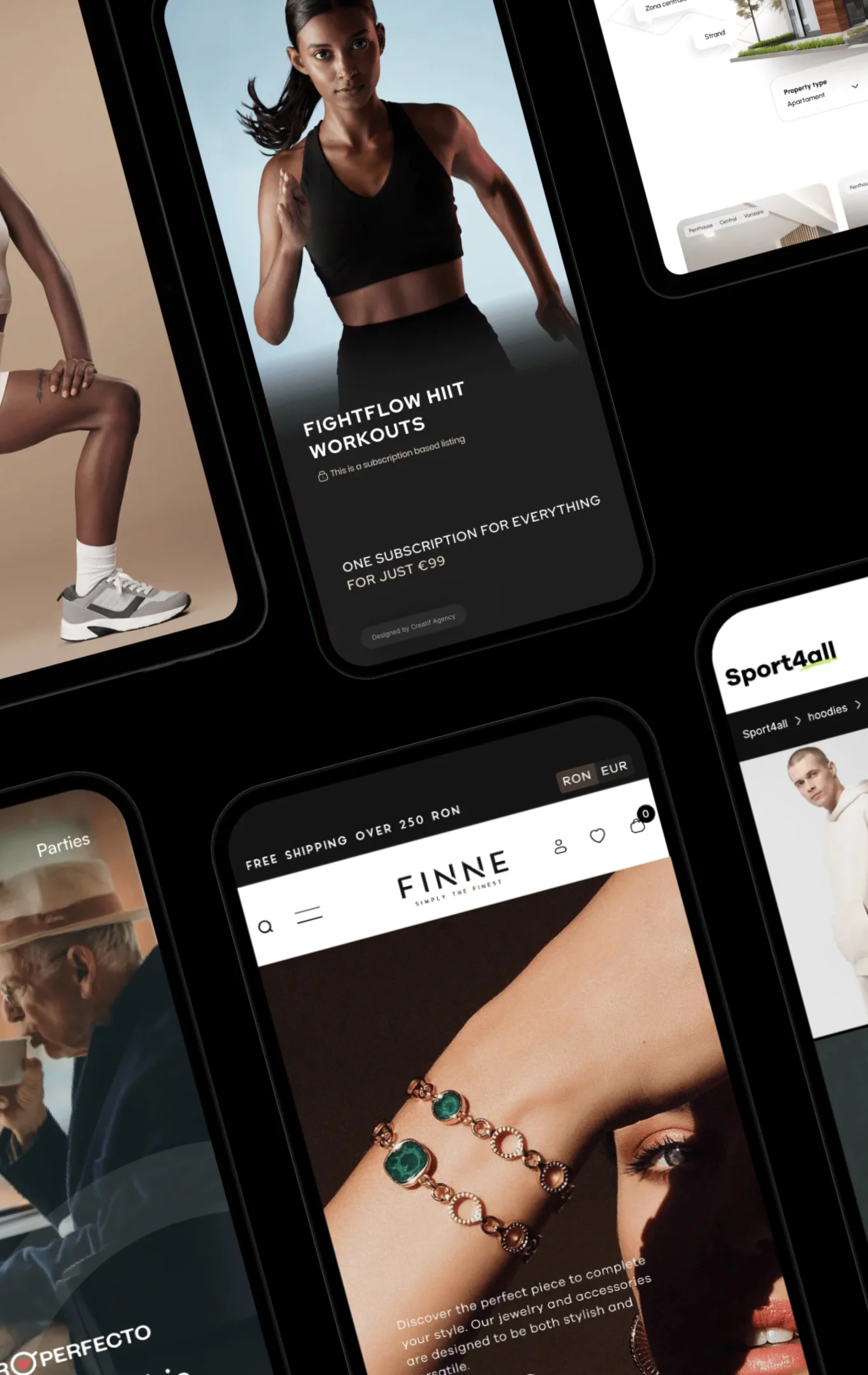
Visual Identity Best Practices for Startups and Enterprises

The company’s visual identity is one of its most powerful business tools. It communicates who you are, what you stand for, and why customers should trust you. Whether you are a startup entering the market or an enterprise repositioning for global expansion, your visual identity shapes every digital and physical interaction.
A strong identity system goes beyond aesthetics—it creates recognition, trust, and emotional connection that drive long-term loyalty.

Why Visual Identity Matters in 2025
The modern customer forms opinions instantly. In a world saturated with visual noise, your identity must differentiate, engage, and remain consistent. A clear and cohesive design language builds familiarity and trust, while inconsistency causes confusion and damages credibility. According to recent studies, 70% of consumers are more likely to buy from brands with cohesive visual systems across all touchpoints.
For startups, a defined visual identity creates early legitimacy. For enterprises, it maintains continuity during evolution and expansion. Either way, it becomes a strategic asset that supports marketing, sales, and brand positioning.
The Core Elements of a Strong Visual Identity
A complete identity system includes a set of visual and behavioral rules that represent your brand consistently across platforms.
Logo System: A scalable and versatile symbol or wordmark that works in every format—from app icons to billboards.
Color Palette: A defined set of primary and secondary colors supporting emotional tone and readability.
Typography: Fonts that align with the brand’s voice and ensure legibility in print and digital environments.
Imagery and Illustration Style: Photography, patterns, and iconography that create a distinct aesthetic.
Layout System: Grids, spacing, and hierarchy that maintain structure across all brand applications.
Motion and Interaction: Animated assets and transitions that express brand personality digitally.
A well-built visual identity allows your brand to speak consistently, no matter who creates the content or where it appears.

Tailoring Visual Identity for Startups
Startups often begin with limited resources but require maximum impact. The goal is to establish credibility and flexibility early on.
Start with Strategy: Define your target audience, tone, and positioning before creating visuals.
Build Modularly: Create a core identity—logo, colors, and typography—that can scale as your brand grows.
Prioritize Simplicity: Overly complex designs can limit adaptability; minimalism ensures longevity.
Align with Investors and Customers: A consistent and modern identity builds trust with stakeholders and clients.
Use Templates and Guidelines Early: Even at the early stage, consistent use of templates across social and digital channels reinforces professionalism.
The right visual foundation saves startups from expensive redesigns later.
Scaling Visual Identity for Enterprises
For large organizations, the challenge lies in maintaining consistency across multiple markets, teams, and product lines. A scalable identity system must accommodate complexity while remaining cohesive.
Develop a Design System: A digital library of assets, styles, and UI components ensures consistency across departments.
Centralize Brand Governance: Assign clear ownership for brand updates, approvals, and audits.
Adapt for Local Markets: Keep global identity intact while allowing cultural or linguistic flexibility.
Train Teams: Conduct internal workshops to maintain awareness of guidelines and brand tone.
Evolve, Don’t Replace: Refresh the visual identity periodically to reflect innovation without losing recognition.
Enterprises that evolve their design language intentionally remain modern without confusing loyal customers.
The Role of Psychology in Visual Identity
Design is not just visual—it’s psychological. Each color, shape, and font evokes specific emotions and behaviors.
Blue conveys trust and professionalism, common in finance and tech.
Green symbolizes growth and sustainability.
Black and White express luxury, precision, and timelessness.
Sans-serif fonts feel modern and approachable, while serif fonts convey tradition and authority.
Understanding these psychological triggers allows brands to design identities that influence perception and decision-making.
Integrating Visual Identity into Digital Design
In 2025, visual identity extends seamlessly into web and UX/UI design. A website or app is often the most frequent brand interaction. Consistency in visuals—buttons, colors, iconography, and micro-interactions—builds familiarity and trust. Responsive logos, dark-mode variants, and motion elements further enhance the experience.
Brands that merge their visual identity with interactive design create immersive digital ecosystems that strengthen recognition and drive conversions.
Common Mistakes in Developing Visual Identity
Many businesses treat visual identity as a single design project instead of an evolving system. Common pitfalls include:
Overcomplicating design elements that limit usability.
Ignoring accessibility and contrast, reducing readability.
Inconsistent application across print, digital, and packaging.
Failing to document brand guidelines for internal or external partners.
Not testing how identity performs across various devices and environments.
Avoiding these mistakes ensures your identity remains effective and scalable.
Partner with Creatif Agency
At Creatif Agency, we craft visual identities that merge creativity, precision, and strategy. Whether designing for an ambitious startup or a global enterprise, our process ensures every element—logo, color, type, and interface—works together to communicate your brand’s essence. We align aesthetics with business goals, ensuring your brand not only looks exceptional but performs effectively across every touchpoint.
Our multidisciplinary approach bridges branding and web design, ensuring that your digital presence reflects your visual identity flawlessly, from the first impression to every interaction.
Conclusion
A powerful visual identity defines how audiences perceive and remember your brand. In 2025, successful businesses will be those that combine aesthetic excellence with consistency, adaptability, and strategy. Whether you are building from scratch or refining an existing system, investing in a professional, cohesive identity is the foundation of brand trust and growth.
More articles




Web designer and co-founder of Creatif Agency. Over a decade working in branding and web design, building custom websites and brand identities for startups and established businesses across Europe and the US. Every article on this site is written from direct experience running projects, not theory.