The best cities for AI in Germany
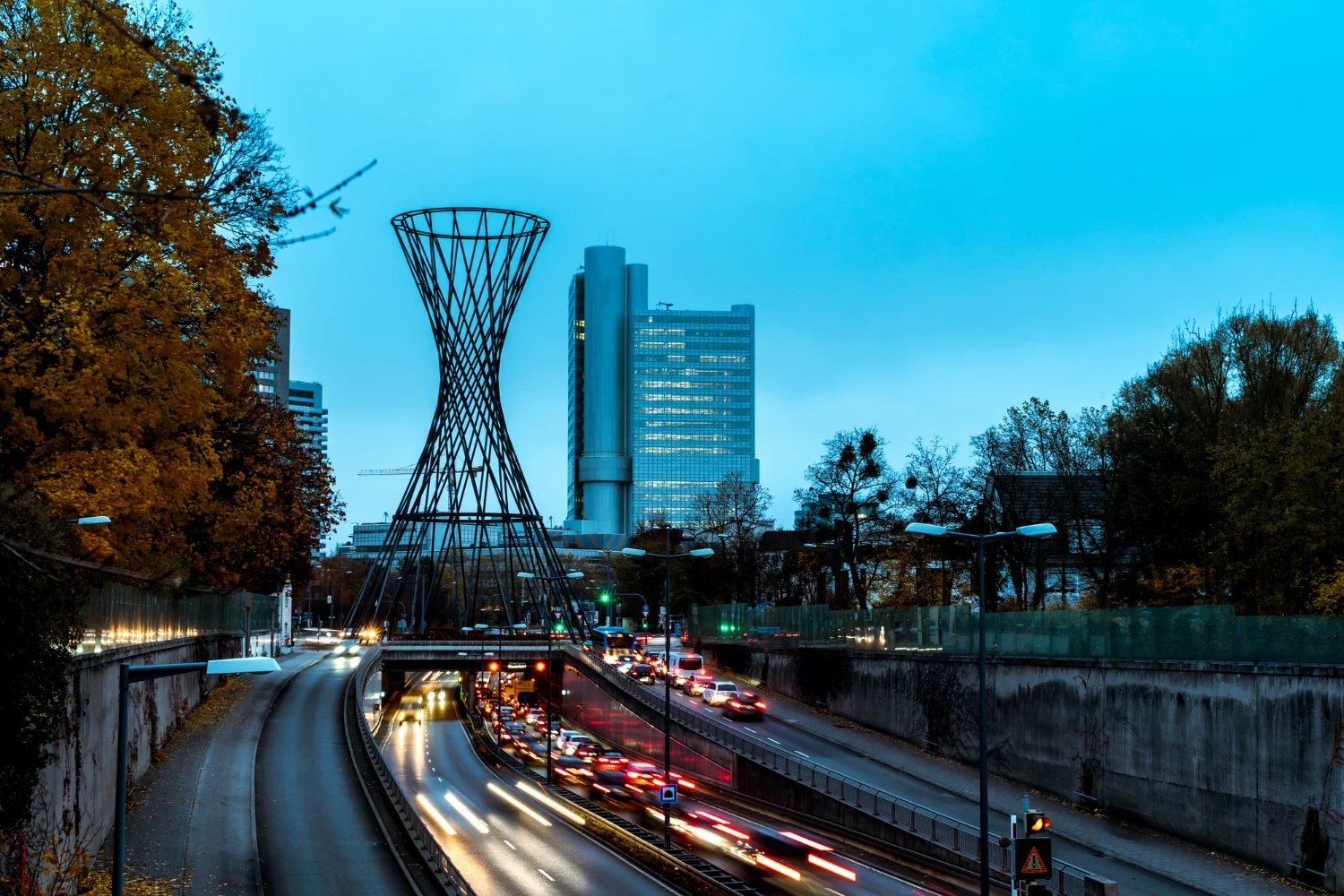
Germany is rapidly emerging as a powerhouse in the artificial intelligence (AI) sector, with several cities competing to become the leading hub for AI innovation and development. Each city brings its unique strengths and opportunities to the table, making it essential for businesses, researchers, and tech enthusiasts to understand where the best AI opportunities lie. In this article, we’ll explore the top cities in Germany for AI, examining their contributions to the field and what makes each one stand out.
Germany is rapidly emerging as a powerhouse in the artificial intelligence (AI) sector, with several cities competing to become the leading hub for AI innovation and development.
Overview of Germany’s AI Landscape: Key Cities Leading the Charge
Germany is fast becoming a leader in artificial intelligence (AI), thanks to its vibrant tech ecosystem and strategic investments in innovation. As businesses and researchers seek the best locations to harness AI’s potential, several German cities stand out for their contributions to this rapidly evolving field. This article explores the top cities in Germany for AI, evaluating their strengths and positioning them as prime destinations for AI development.

Berlin: The Capital of AI Innovation
Berlin, the capital city, is a significant player in Germany’s AI scene, known for its dynamic tech environment and entrepreneurial spirit. Here’s why Berlin is a top choice for AI:
- Thriving Tech Ecosystem: Berlin’s tech scene is renowned for its startups and innovation hubs. The city hosts numerous AI-focused conferences, workshops, and networking events, fostering a collaborative environment for AI enthusiasts and professionals.
- Strong Research Institutions: Berlin is home to several prestigious research institutions, including the Max Planck Institute for Intelligent Systems and the Berlin Institute of Technology. These institutions contribute cutting-edge research and foster partnerships between academia and industry.
- Diverse Talent Pool: The city attracts a diverse group of AI professionals from around the world, offering a rich talent pool for companies seeking expertise in machine learning, data science, and AI development.
- Supportive Infrastructure: Berlin offers a supportive infrastructure for AI startups, including incubators, accelerators, and funding opportunities. Initiatives like Factory Berlin and the Berlin Startup Stipendium program provide essential resources for emerging AI ventures.
Munich: A Hub for AI Research and Development
Munich, a prominent city in southern Germany, is another leading destination for AI innovation. Its reputation is built on several key factors:
- Research Excellence: Munich is home to the Technical University of Munich (TUM), which is renowned for its research in AI and robotics. TUM’s AI research centers and labs play a crucial role in advancing the field.
- Strong Industry Presence: The city boasts a strong presence of global tech giants and established companies investing in AI. Major players such as Siemens and BMW are heavily involved in AI research and development, driving innovation in various sectors.
- Investment and Funding: Munich attracts significant investment in AI, both from venture capital and corporate investors. The city’s robust funding ecosystem supports the growth of AI startups and scale-ups.
- Collaborative Environment: Munich fosters collaboration between businesses, research institutions, and government agencies. Initiatives like Munich Network and the AI Munich Cluster facilitate partnerships and knowledge exchange.
Frankfurt: The Rising Star in Germany’s AI Sector
Frankfurt, traditionally known as a financial hub, is emerging as a key player in the AI landscape. Here’s why Frankfurt is gaining prominence:
- Financial and Tech Integration: Frankfurt’s strong financial sector is increasingly integrating AI technologies for better data analysis, risk management, and customer service. This convergence of finance and technology creates unique opportunities for AI innovation.
- Growing Tech Community: The city is developing a growing tech community with a focus on AI and fintech. Startups and tech companies are establishing themselves in Frankfurt, contributing to its evolving AI ecosystem.
- Strategic Location: As a major financial center with excellent connectivity, Frankfurt attracts international companies and investors interested in AI. Its strategic location in Europe enhances its appeal as a business hub.
- Supportive Policies: The city benefits from supportive policies and initiatives aimed at fostering technology and innovation. Programs like Frankfurt’s Digital Hub support the development of AI and other emerging technologies.
Additional reading: Frankfurt’s best web design firms
Hamburg: How This City is Making Waves in AI Technology
Hamburg, known for its vibrant cultural scene and port, is also making significant strides in the AI sector. Here’s why Hamburg stands out:
- Focus on AI Startups: Hamburg is becoming a hotspot for AI startups, particularly in the fields of media, logistics, and health tech. The city’s startup ecosystem is bolstered by initiatives such as the Hamburg Innovation Fund.
- Strong Industry Connections: Hamburg’s strong ties to various industries, including shipping and logistics, create opportunities for AI applications that enhance operational efficiency and data management.
- Research and Development: The city’s research institutions, such as the Hamburg University of Technology (TUHH), contribute to AI advancements and foster collaboration with local businesses.
- Dynamic Business Environment: Hamburg’s dynamic business environment and supportive infrastructure provide a conducive atmosphere for AI innovation. The city’s focus on digital transformation further strengthens its AI capabilities.
Additional reading: Germany best local design comapanies
Comparing Germany’s Top Cities for AI: Which One is Right for You?
When choosing the best city for AI in Germany, several factors come into play, including research excellence, industry presence, talent availability, and investment opportunities. Here’s a quick comparison:
- Berlin: Best for startups and innovation, with a vibrant tech scene and diverse talent pool.
- Munich: Ideal for research and industry collaboration, with strong academic and corporate involvement.
- Frankfurt: Excellent for integrating AI with finance and leveraging strategic location.
- Hamburg: Promising for AI startups and industry-specific applications, with a supportive business environment.
Each city offers unique advantages depending on your specific needs and goals in the AI sector. Consider these factors to determine which city aligns best with your AI aspirations.
Conclusion
Germany’s cities are emerging as prominent players in the AI field, each offering distinct advantages and opportunities. Whether you’re a startup founder, researcher, or investor, understanding the strengths of Berlin, Munich, Frankfurt, and Hamburg can help you make an informed decision about where to focus your AI efforts.
More articles




Web designer and co-founder of Creatif Agency. Over a decade working in branding and web design, building custom websites and brand identities for startups and established businesses across Europe and the US. Every article on this site is written from direct experience running projects, not theory.