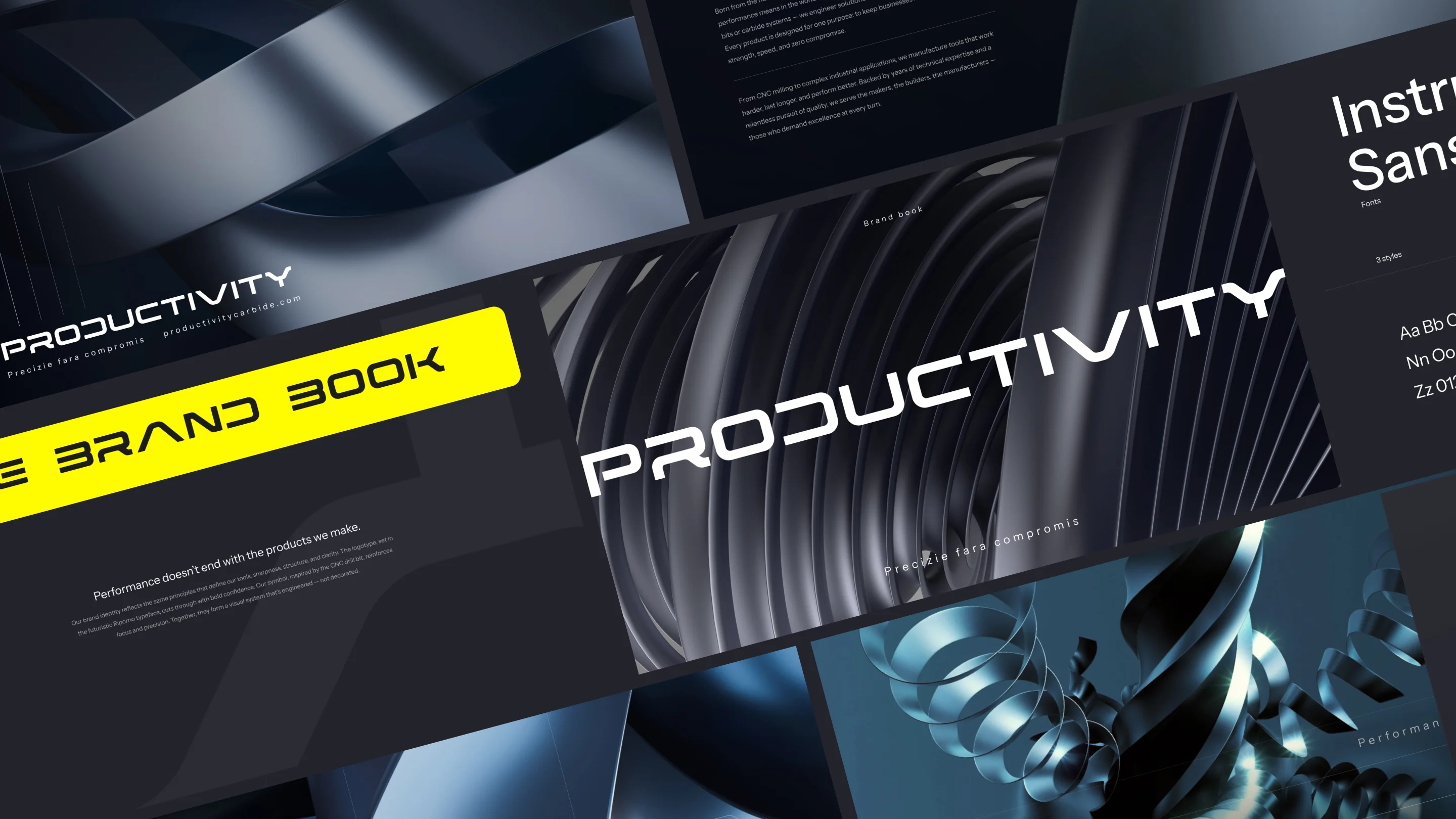
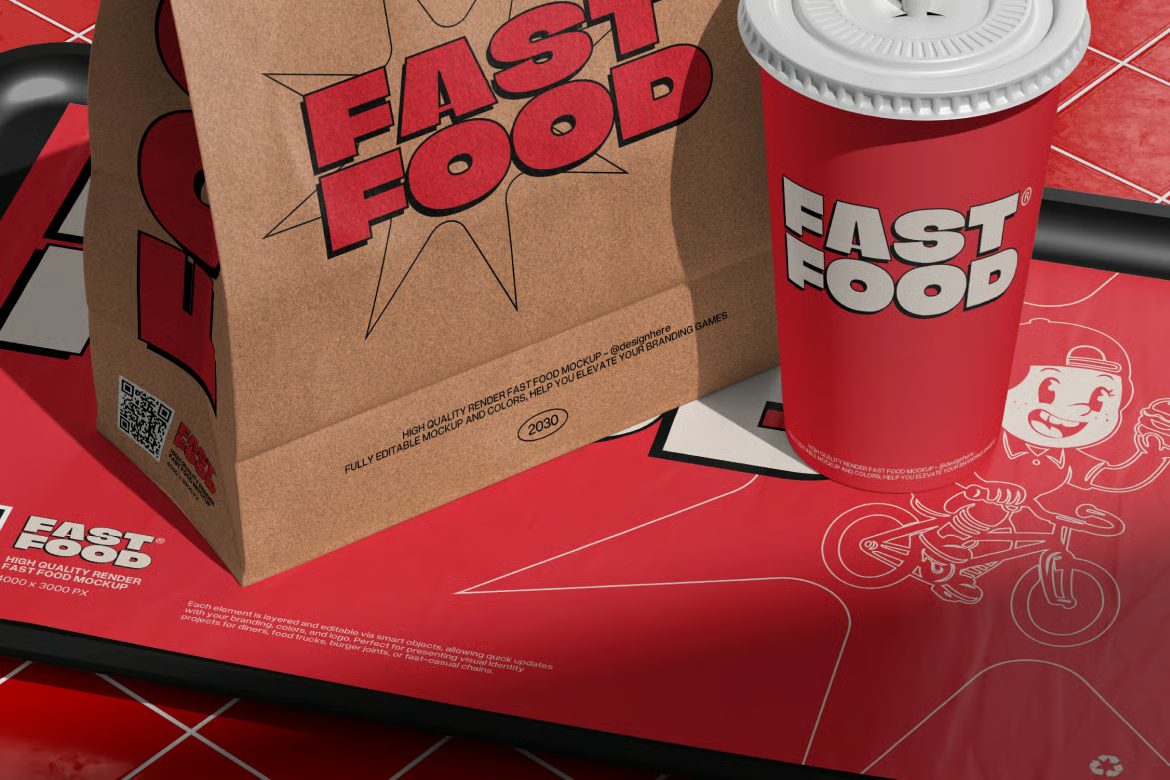
Inside a branding project at Creatif
A branding project at Creatif starts with positioning and messaging, then builds a complete visual identity system, a brand book, and practical templates. We validate the brand in real contexts like websites and pitch decks, then support rollout so your brand stays consistent across web, marketing, and product touchpoints.
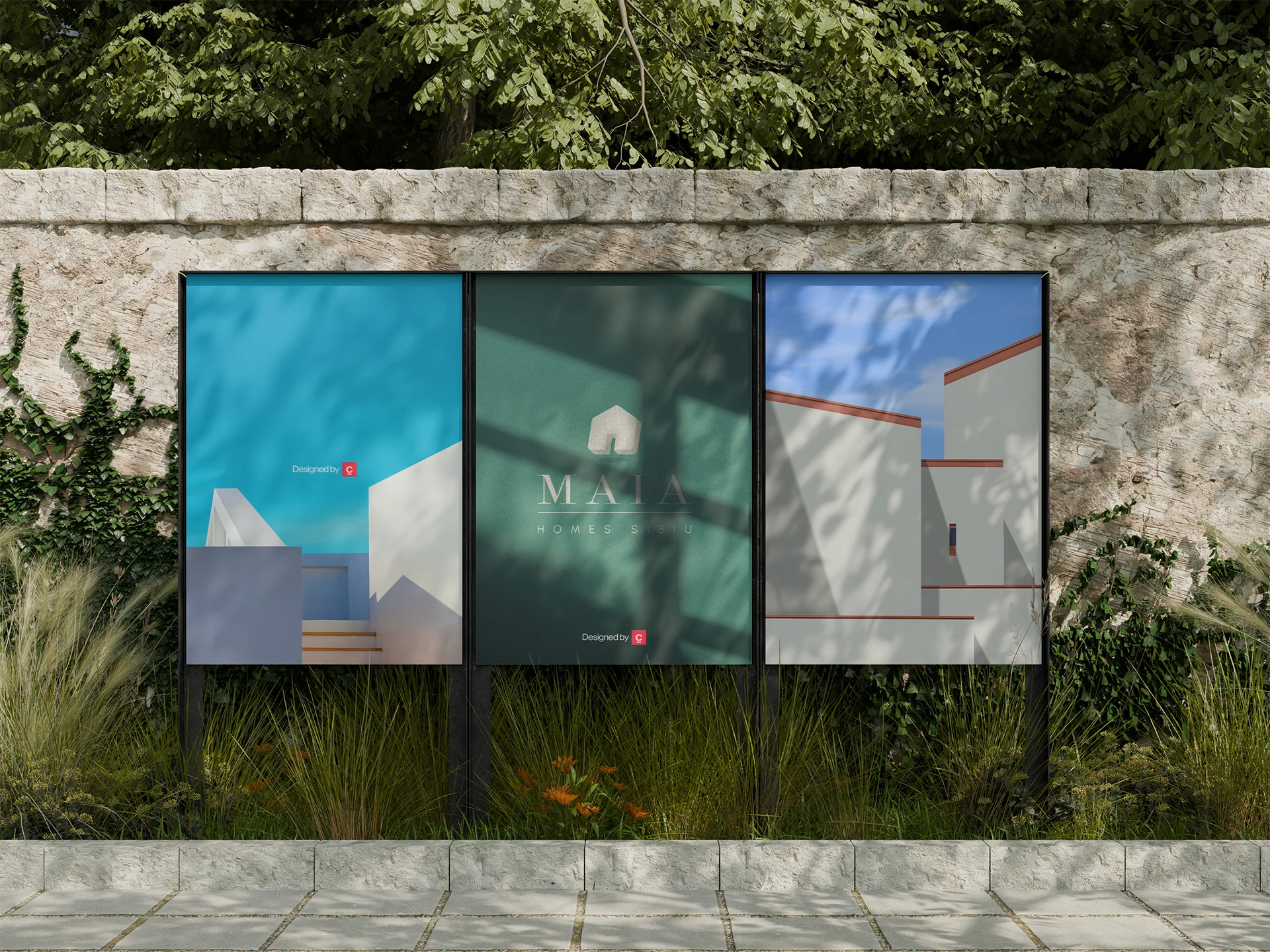
Branding is not a logo, and it is not a moodboard that looks good in a presentation. A branding project is a structured process that turns a business into a clear, consistent system people can understand fast and trust instantly. When branding is done correctly, it improves conversions, shortens sales cycles, and makes marketing execution easier across every channel. That is why we approach branding as strategy plus implementation, not as decoration.
If you are searching for a branding agency that can deliver a premium identity and a rollout-ready brand system, this guide shows exactly how our branding projects work, step by step, from discovery to launch.
What a branding project means in 2026
In 2026, your brand lives mostly in digital environments. Buyers judge credibility through your website, social presence, landing pages, product experience, and content, often within seconds. That means branding must be designed to work in real interfaces, not only in static brand guidelines. A modern brand system needs to be consistent, scalable, and easy to apply by teams without constant design support.
For startups and growing businesses, branding also needs to move fast. The best branding process creates clarity and momentum, because unclear messaging and inconsistent design slow growth more than most founders expect.
What you get from a branding project at Creatif
A branding project should end with a system your team can use immediately. We structure deliverables so marketing, sales, and product teams can execute without guesswork.
Typical branding deliverables
Brand strategy direction, positioning statement, messaging pillars, tone of voice guidance, visual identity system, logo suite, typography system, color system, layout rules, brand patterns or supporting graphics, icon style direction, imagery direction, and a brand book that documents usage.
Practical templates that speed up execution
Pitch deck design direction, social templates, key marketing layouts, website visual direction, and core page design references. These templates reduce friction and prevent brand drift when teams move quickly.
Phase 1: discovery, positioning, and brand direction
Every strong brand begins with clarity. This phase defines what the brand must communicate and what must be avoided.
What we do in discovery
We learn the offer, target market, and competitive landscape, then identify what makes the business different in a way buyers actually care about. We look at how competitors communicate, which messages are overused, and where the brand can claim a stronger position.
Positioning that fits your category
Positioning is a decision, not a slogan. We define who you are for, what outcome you deliver, why you are credible, and how you are different. The outcome is a direction that makes the brand feel intentional, not assembled.
Messaging that converts
Messaging turns positioning into usable language. We define a core value proposition and messaging pillars that can be used across your website, landing pages, sales collateral, and ads. This is one of the highest ROI parts of branding, because clarity and specificity are what drive conversion.
Phase 2: naming, identity foundations, and concept exploration
Not every project includes naming, but every project includes identity foundations. This phase turns strategy into a visual system that can scale.
Brand identity design, not logo design
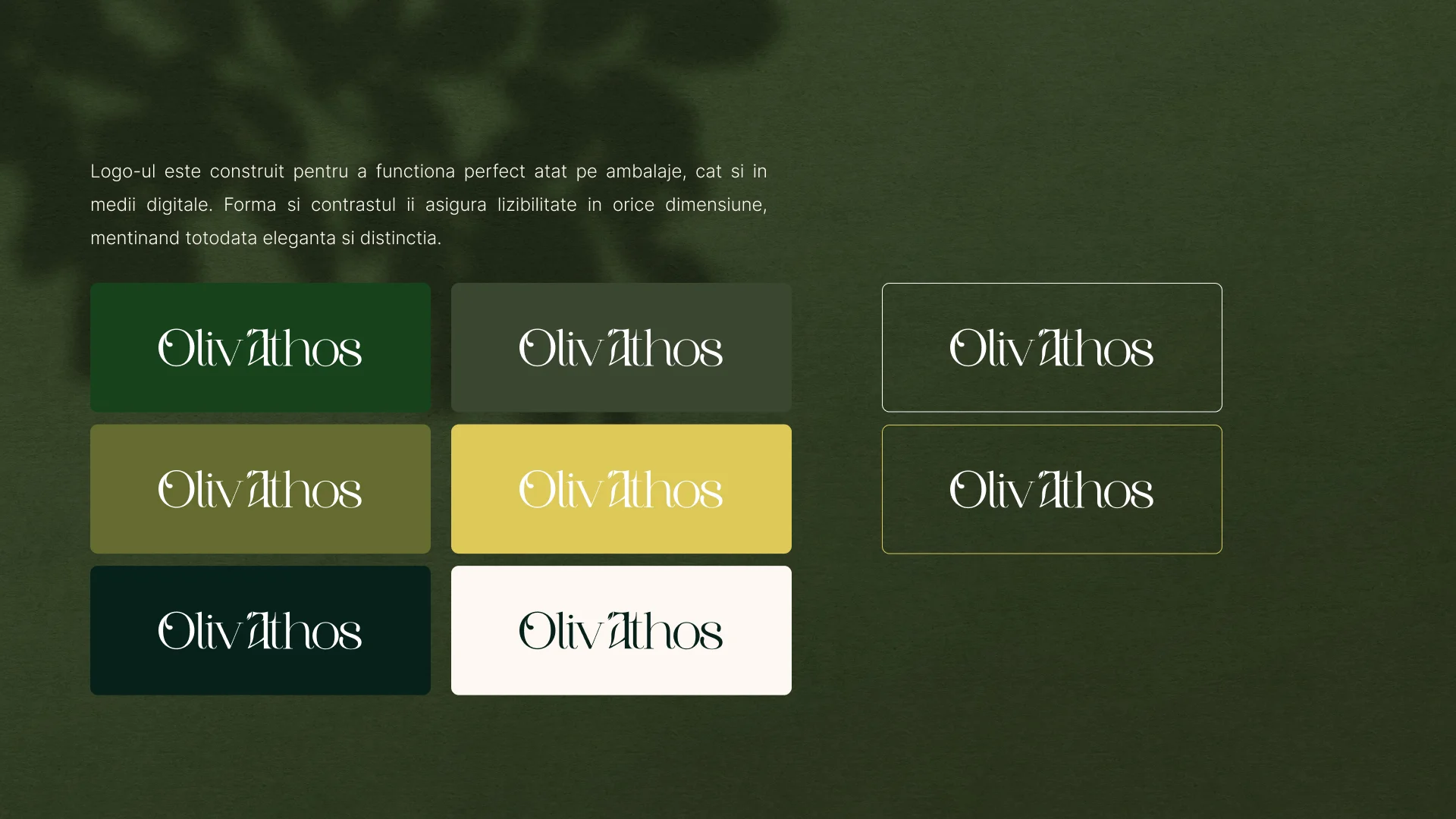
We design a logo suite with practical variants, but the identity is larger than the mark. We define typography, color logic, layout rules, and a supporting visual language so your brand looks consistent in every format.
Design concepts tested in real contexts
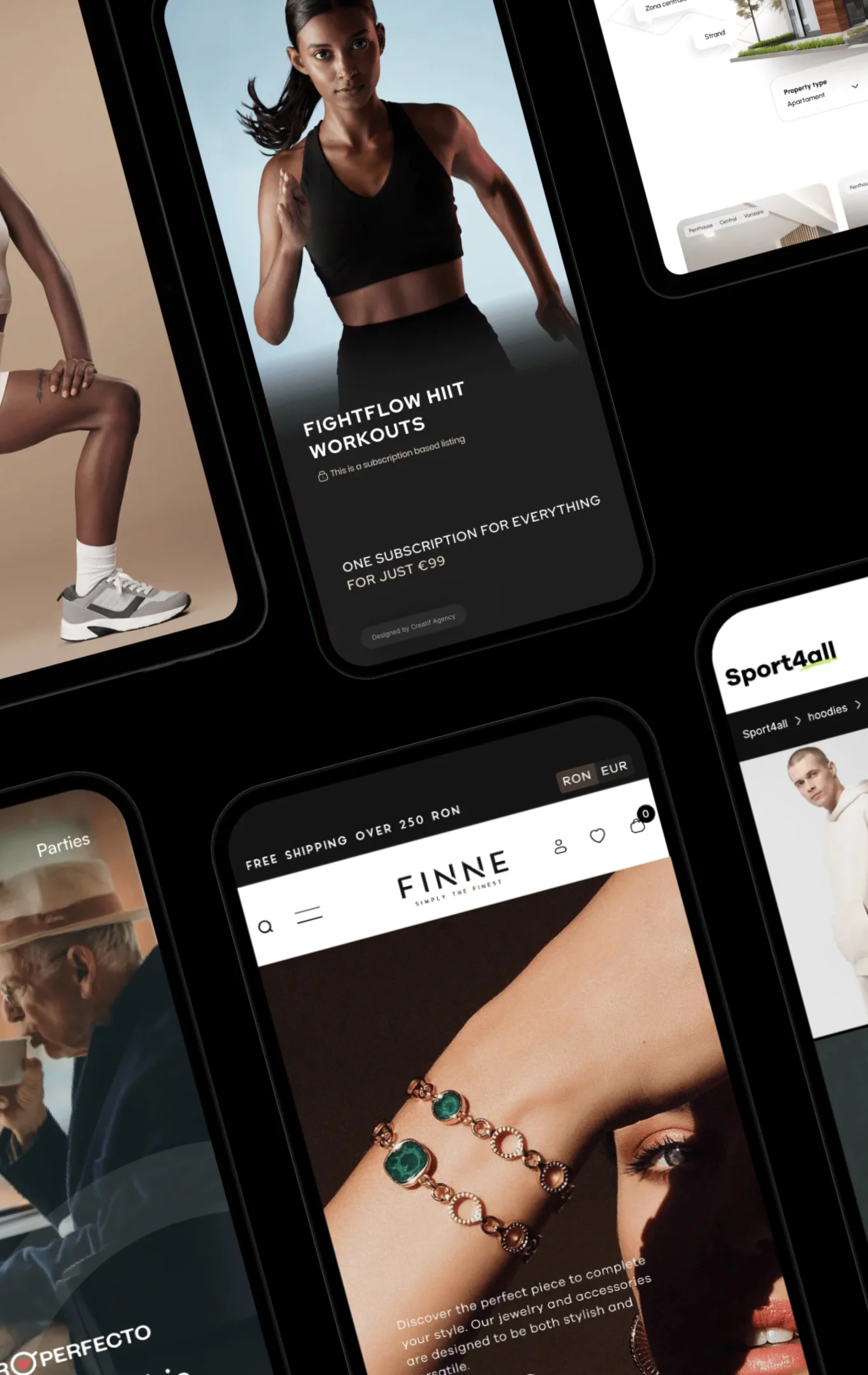
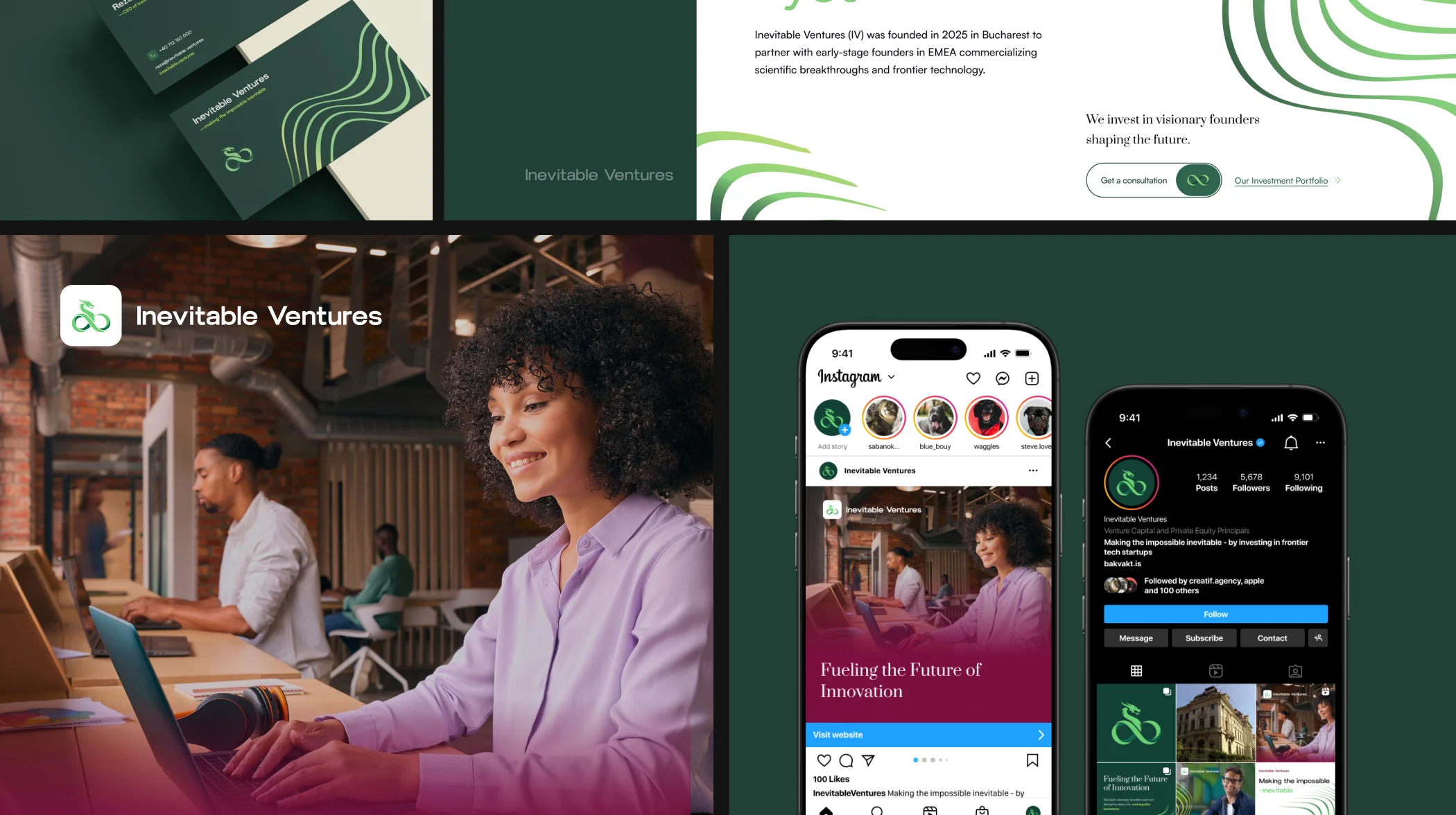
We do not validate identity in isolation. We place concepts into real-world contexts like a homepage hero, social post layout, pitch deck slide, and product UI references when relevant. This is where weak branding breaks, and where strong branding becomes obvious.
Phase 3: brand system build and production-ready assets
Once direction is approved, we build the full system. This is where the brand becomes usable across your full marketing surface area.
What the system includes
Typography hierarchy, spacing logic, grid rules, color combinations, brand components, icon rules, imagery direction, and usage standards. The goal is consistency without complexity. Your team should be able to apply the system correctly without needing to interpret vague guidelines.
File delivery and ownership
A branding project should end with clean exports for web and print, plus production-ready assets in formats your team and vendors can use. A strong handover reduces future rework cost and keeps the brand consistent.
Phase 4: brand book and execution templates
A brand book is not a PDF for the shelf. It is the operating manual for how the brand stays consistent. We write guidelines that are practical, clear, and designed for real-world use.
What our brand book covers
Logo usage rules, spacing and sizing, typography rules, color usage, layout examples, brand voice guidance, and example applications. When templates are included, we document how to use them so execution stays fast.
Phase 5: rollout across website and key touchpoints
Branding is only complete when it is implemented. Many brands fail because the rollout is treated as optional. We plan rollout so the identity feels consistent across the places where decisions happen.
Digital rollout priorities
Website and landing pages, pitch decks, sales collateral, and core marketing channels. If you are running paid media, we also align ad creative structure to the new brand system.
Keeping the brand consistent after launch
We can support ongoing execution through structured design systems, brand QA, and template expansion, so the brand does not drift over time.
How long a branding project takes
Timelines depend on scope and decision speed. A focused identity project can move quickly when one decision-maker owns approvals. Larger branding projects take longer because they include deeper research, more touchpoints, and more rollout requirements. The fastest way to keep branding efficient is to consolidate feedback and protect scope.
How much a branding project costs
Branding costs depend on strategy depth, identity complexity, and rollout support. If you want a clean baseline, visit the next article:
FAQ: inside a branding project
What is included in a branding project
A branding project typically includes positioning, messaging direction, visual identity system, guidelines, and practical templates. Strong projects also include rollout support so the brand is applied correctly in real channels.
What is the difference between branding and brand identity
Branding includes strategy, messaging, and how the business is perceived, while brand identity is the visual and verbal system used to express that positioning consistently.
How do you measure branding success
Branding success shows up as clearer messaging, stronger conversion rates, better lead quality, easier content creation, and more consistent execution across channels.
Do you need a brand book
Yes, if you want consistency at scale. A brand book reduces guesswork and helps teams execute without breaking the system.
Conclusion
A branding project at Creatif is designed to produce clarity, consistency, and a brand system your team can execute fast. We start with positioning and messaging, build a scalable identity system, validate it in real contexts like websites and pitch decks, and deliver guidelines plus templates that prevent brand drift.
If you want a branding partner that combines strategy and execution in-house contact us for a discovery meeting.