How Creatif builds startup websites
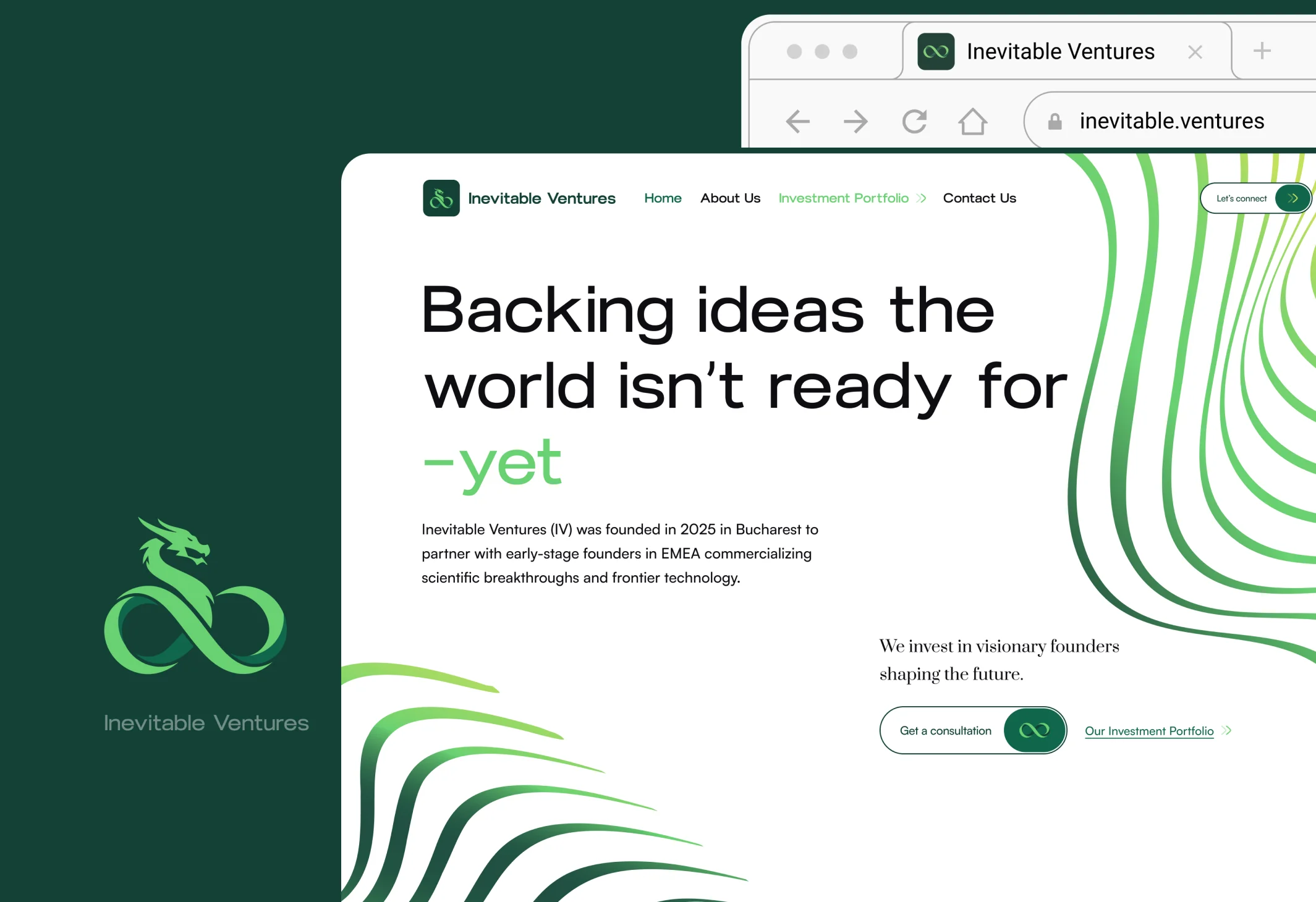
Creatif builds startup websites by starting with positioning and content architecture, then designing conversion paths, building a scalable design system, and developing for performance and maintainability. Most startup sites cost more than templates because they include strategy, custom UX, reusable components, analytics setup, and a structure that scales with growth.
We build startup websites by starting with positioning and content architecture, then designing conversion paths, building a scalable design system, and developing for performance, maintainability, and measurable growth.
Why startups in 2026 cannot afford “pretty websites”
Startup websites are no longer brochure pages that exist for credibility alone. In London, Berlin, and across Europe, a startup website is often the first product experience buyers and investors see. That means the site must explain value quickly, build trust instantly, and guide visitors into a single clear action.

We build startup websites with one goal in mind: reduce confusion and increase conversions. Design matters, but design without structure rarely converts. Startups win when the website communicates positioning, proves credibility, and creates a frictionless path to contact, demo, or purchase.
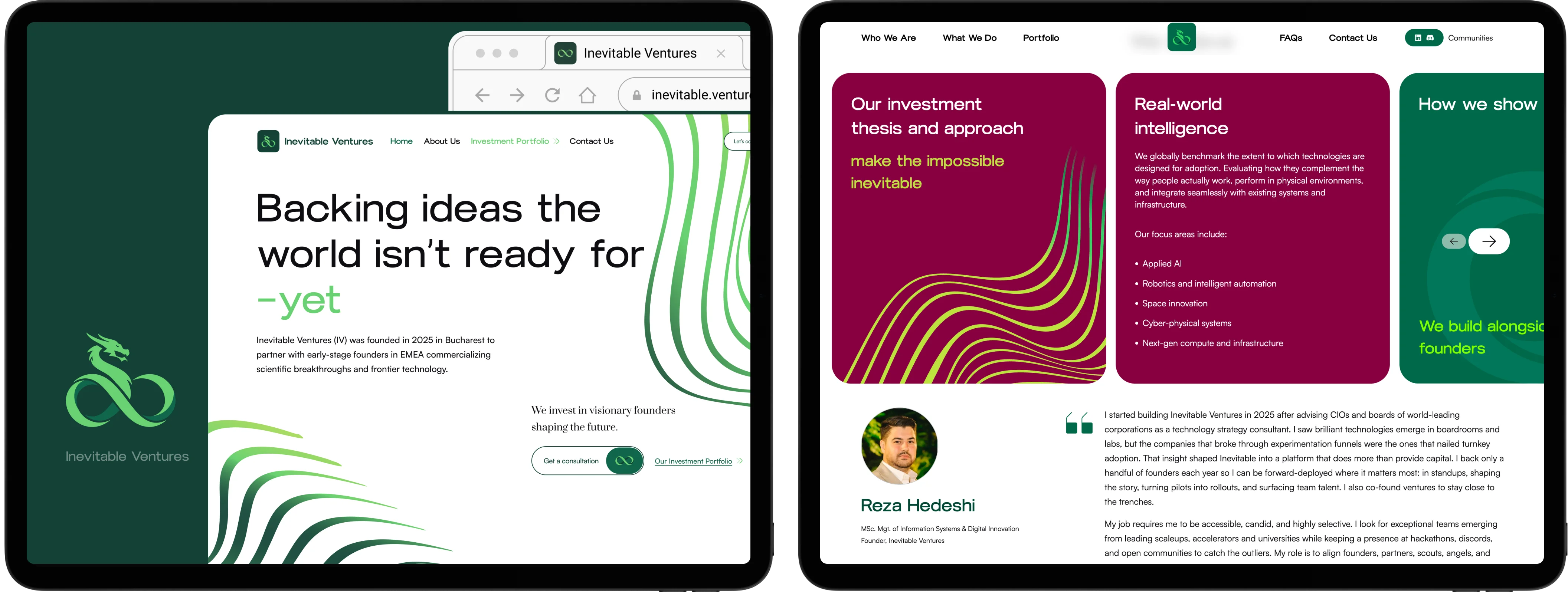
Our approach starts with positioning, not visuals
Most startups ask for design first, but the real question is always messaging. If the positioning is weak, no layout can save it. We begin by clarifying who the product is for, what problem it solves, and why it is better than alternatives.
This phase is not theoretical. We map the product offer into a simple hierarchy that becomes the website’s structure. The homepage becomes a compressed story with clear proof points, while internal pages carry depth for buyers who need detail.
Step 1: Strategy workshop and content architecture
Every high-performing startup website starts with a content architecture that matches how people decide. We define the primary audience, secondary audiences, and the intent behind each page. Then we decide what information must appear above the fold and what can be moved deeper into the journey.
For startups, this usually means designing around the “buyer questions” that block conversion. Pricing clarity, use cases, onboarding steps, and proof assets often matter more than extra animations. When this foundation is correct, the website scales with the startup instead of needing a rebuild after the next funding round.
Step 2: Conversion paths and page types
Startups typically need one of three conversion paths: book a call, request a demo, or buy now. We design the website around that goal and create page types that support it, including a homepage built for clarity, a solution page built for intent, and landing pages built for campaigns.
We also build trust deliberately. Logos are useful, but proof content is stronger when it is specific. We add tangible credibility assets like metrics, case study blocks, product screenshots, and clear explanations of what happens after the user clicks the CTA.

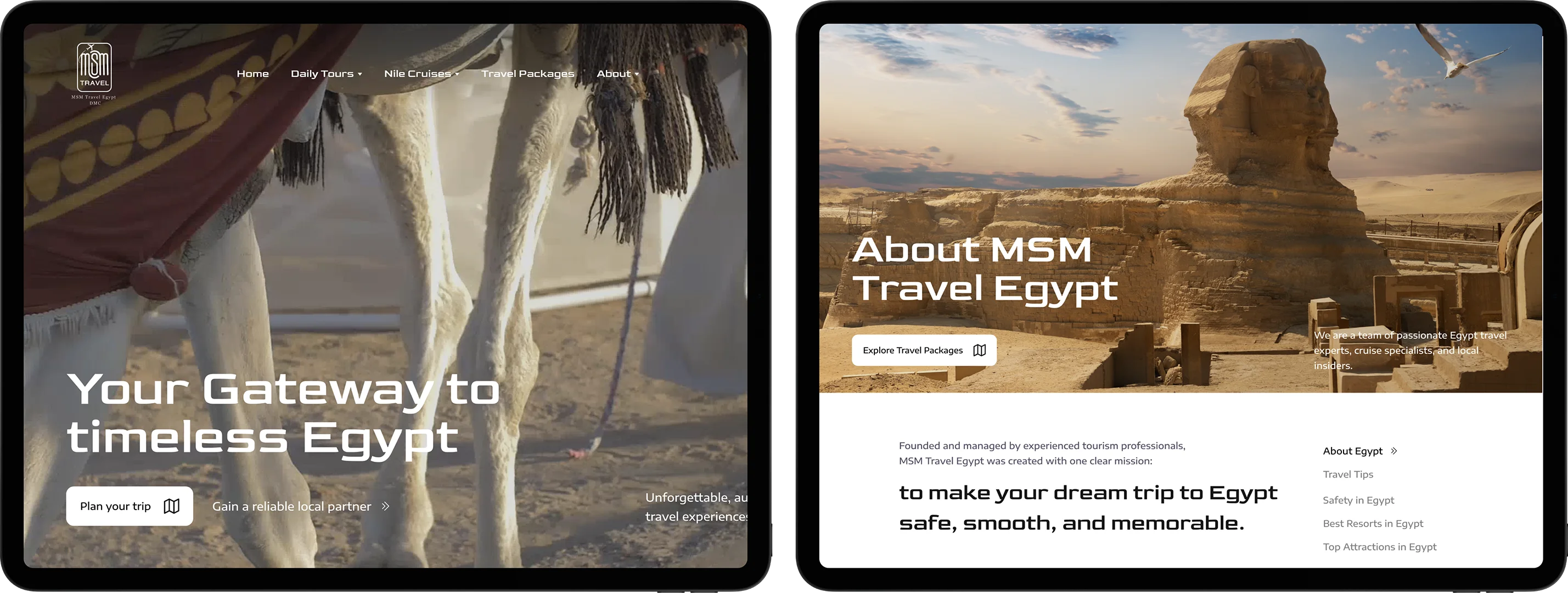
Step 3: Design system, not one-off pages
We do not design websites as a series of disconnected pages. We build a design system that creates consistency and speeds up future expansion. This includes typography rules, spacing logic, component standards, and layouts that can scale as the startup adds new pages, products, and regions.
This is where most startups lose time with cheaper builds. Without a system, every new page becomes a custom design request. With a system, growth becomes fast and predictable.
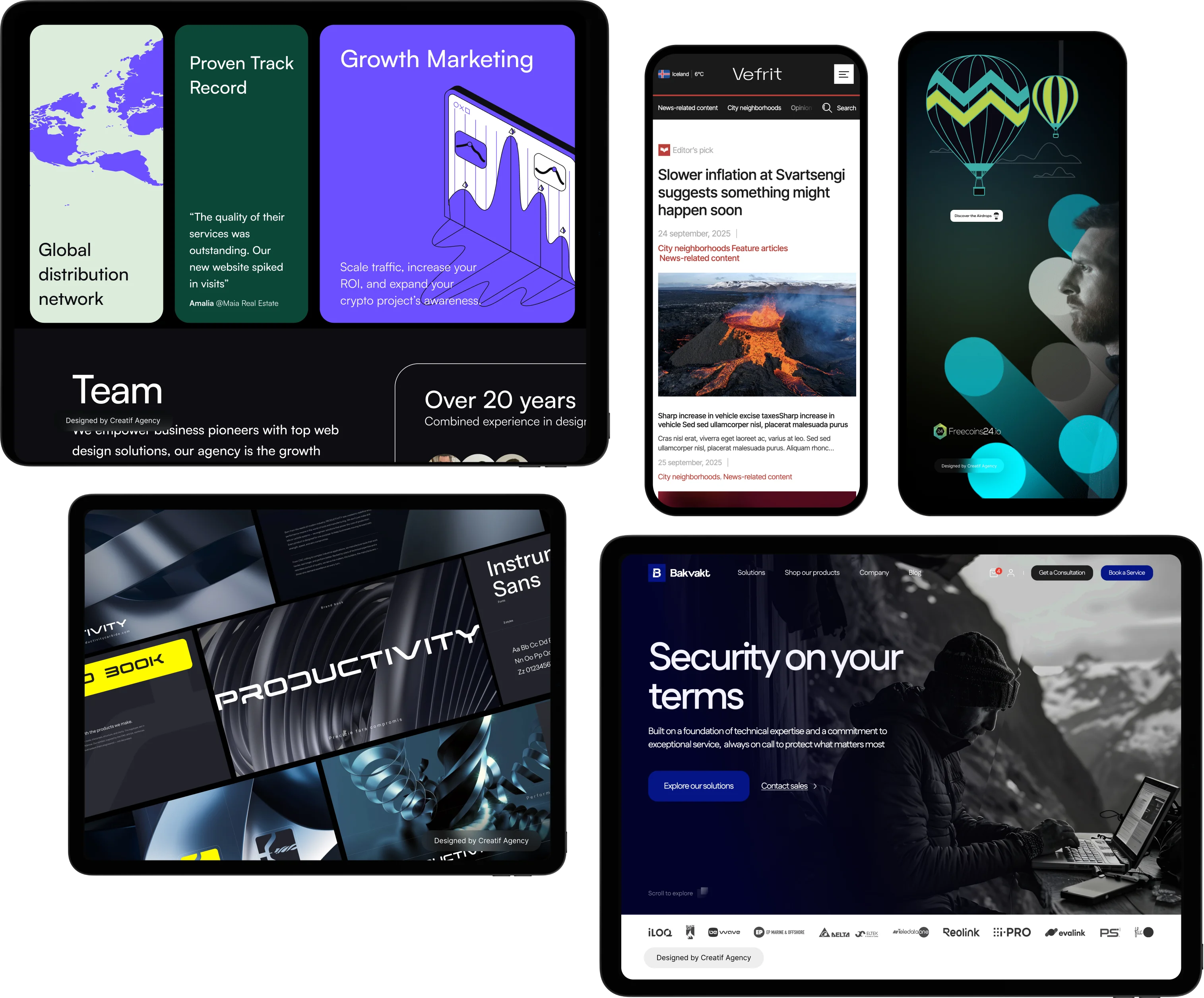
Step 4: Development built for performance and maintainability
Performance is not optional. A slow startup website reduces conversion rates, increases paid acquisition costs, and looks untrustworthy. We build with performance in mind from the first component and test key pages on real devices.
We also build for maintainability. Startups move fast, so the team needs to update pages without breaking layout. A website that requires developer help for minor edits becomes a bottleneck, so we build editing workflows that are realistic for founders and marketing teams.
Step 5: Launch readiness, analytics, and iteration
We do not treat launch as the finish line. We ensure tracking is correct, conversion events are measurable, and core pages are validated for search and UX. Then we ship and iterate based on real signals.
The websites that win are the ones that improve after launch. We build the foundation so iteration is easy, not painful.
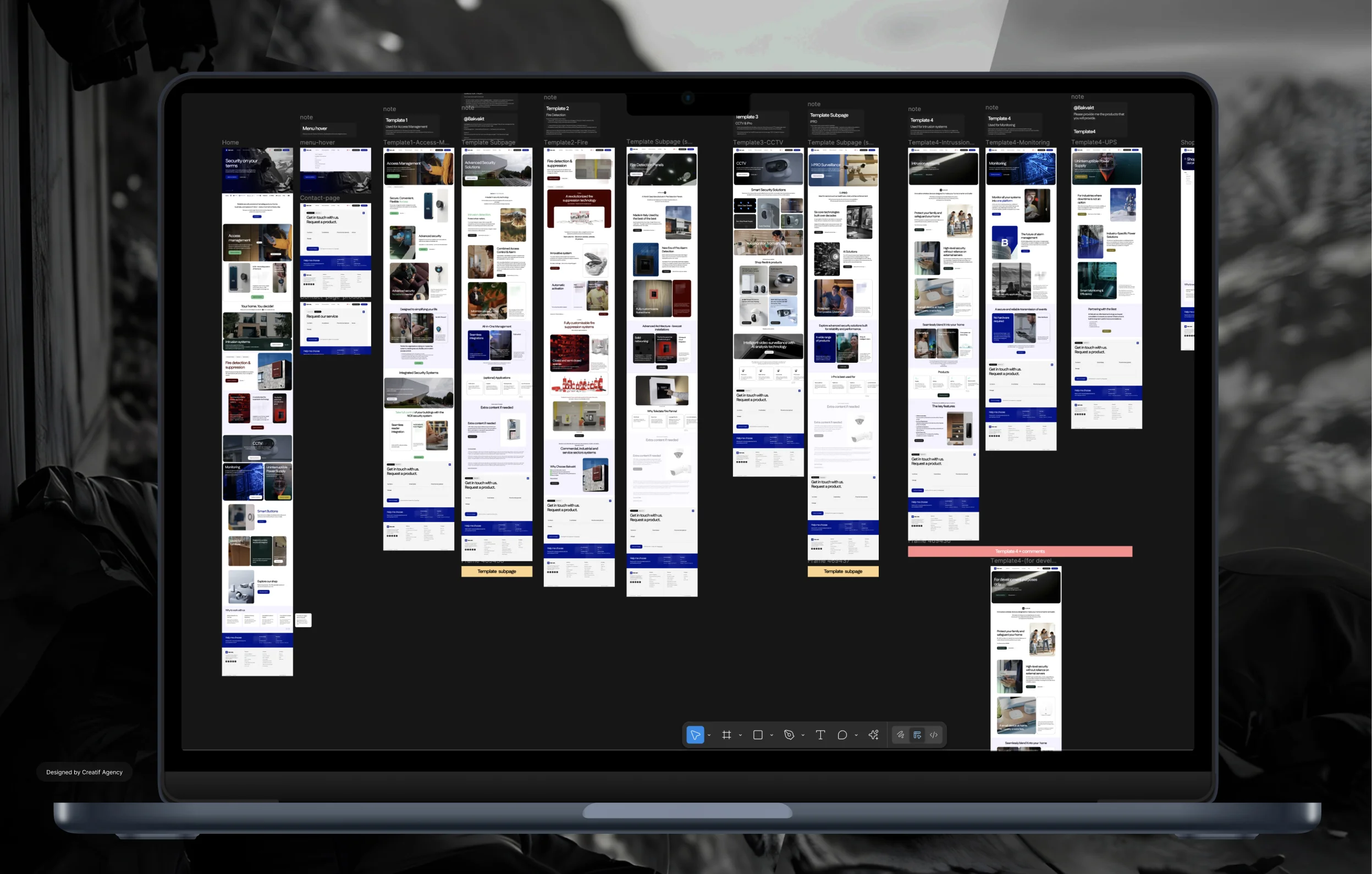
Our process at a glance
1. Positioning and content architecture
We start by clarifying what you do, who you serve, and why you win, because the website structure must reflect your positioning. We map the buyer journey into a simple content hierarchy, then define the pages and sections that answer the real questions blocking conversion. This is where we decide what must appear above the fold, what proof belongs on the homepage, and what detail should live on solution pages or supporting content. The outcome is a clear website blueprint that makes your offer easy to understand in seconds.
2. Conversion paths and page types
Next we design the site around one primary action, such as book a call, request a demo, or purchase, and we remove everything that distracts from it. We build page types that support that conversion path, including a homepage built for clarity, solution pages built for intent, landing pages built for campaigns, and proof sections that reduce risk. We also define CTA logic, navigation rules, and internal pathways so users always know what to do next.
3. Design system and reusable components
We design a scalable system, not isolated pages, so your website stays consistent as you grow. That includes typography rules, spacing logic, component standards, and reusable blocks that can be deployed across new pages without redesigning everything. This approach increases speed, improves quality control, and makes future expansion predictable. It also ensures your brand feels cohesive across website, product, and marketing touchpoints.
4. Performance-first development and clean CMS
We build for speed, stability, and maintainability from the first component, because performance affects trust and conversion. We develop clean templates, optimize assets, and structure the site so it loads fast on real devices and stays easy to update. We also set up a CMS workflow that matches how founders and marketing teams work, so you can ship new pages and edits without breaking layout. The result is a website that is built to last, not a fragile build that needs constant developer intervention.
5. Launch tracking, QA, and iteration
Before launch, we validate responsiveness, content rendering, forms, tracking, and core UX flows, then we implement the analytics setup needed to measure outcomes. We ensure conversion events are trackable, key pages are search-ready, and the site is technically clean for indexing and performance. After launch, we iterate based on real user behavior and campaign data, because the best startup websites improve continuously. This is how the website becomes a growth asset, not a one-time design project.
What makes a startup website “Creatif-level”
A Creatif startup website is not built to win design opinions, it is built to win decisions. It communicates value fast, feels premium, loads quickly, and scales with the company. If you are building a startup in a competitive market, that combination is a serious advantage.
FAQ
How long does it take to build a startup website?
Most startup websites take 4–8 weeks for a focused build, while custom platforms can take 8–16+ weeks depending on scope and content readiness.
What makes a startup website “conversion-led”?
A conversion-led website is structured around one primary action, with clear messaging, proof assets, and page types designed to remove friction.
Why does a custom startup website cost more than a template?
Custom sites include positioning, UX architecture, reusable components, performance work, and implementation details that templates usually cannot provide.
What should a startup prepare before a website project starts?
Clear product offer, target audience, existing content, brand assets if available, and a single decision-maker to keep feedback fast and aligned.
Want a startup website built this way?
If you want a startup website that explains value fast, builds trust, and converts consistently, we can scope the project in one call. We will map your positioning, define the page architecture, and propose a timeline and deliverables based on your growth stage. Contact us today
More articles


Web designer and co-founder of Creatif Agency. Over a decade working in branding and web design, building custom websites and brand identities for startups and established businesses across Europe and the US. Every article on this site is written from direct experience running projects, not theory.