Branding in Paris: Strategy, identity, and digital-first execution
Branding in Paris is not just aesthetics. It is a structured system that combines positioning, messaging hierarchy, and visual identity designed for real-world use across website and marketing. This guide explains how Paris companies should approach branding digitally first, how to build consistency across touchpoints, how to avoid common branding mistakes, and how to create a brand that feels premium while remaining operational for long-term growth.
Paris is a market where design is expected, not celebrated. A brand that looks good is not a differentiator. A brand that communicates value with precision, builds trust quickly, and stays consistent across digital touchpoints is what separates premium companies from generic ones.
Branding in Paris is often misunderstood as taste. Taste matters, but it is not the job. The job is to create a brand system that shapes perception, supports conversion, and remains coherent as the business grows. In most industries today, that brand is experienced primarily through a screen. That is why a digital-first approach is not a trend. It is the baseline.
This guide explains how companies in Paris should approach branding as a structured system, how to translate that system into digital execution that performs, and how to avoid the common pitfalls that make brands feel inconsistent or temporary.
Why branding in Paris requires a different level of discipline
Paris is globally associated with refinement. Whether you operate in luxury, hospitality, real estate, tech, professional services, or ecommerce, your audience has strong expectations of coherence. When a brand is inconsistent, it reads as immature. When a brand is generic, it reads as replaceable.
Paris also attracts international audiences. Even local businesses often serve international customers, partners, or investors. That increases the pressure on clarity. If a visitor cannot understand your value quickly, they move on. If your website feels slow, messy, or vague, you lose trust.
Branding discipline solves these problems by making decisions explicit. It defines what you mean, how you look, and how you communicate, so execution becomes consistent rather than improvised.
What branding actually includes for a Paris company
Branding is not a logo. Branding is the system that creates recognition and trust across touchpoints. For most Paris companies, the brand system needs to include four layers.
- Positioning, which defines what you own in the market and why you are chosen.
- Messaging, which defines how you express value in clear hierarchy.
- Identity, which defines the visual language and design rules.
- Application, which defines how the system is implemented digitally and operationally.
If any layer is missing, the brand may look polished in one context but fall apart across marketing and website execution.
Premium perception does not come from expensive visuals. It comes from clarity, differentiation, and confidence. Positioning is the decision about what you are known for and who you are for.
Many Paris businesses sound the same because they describe themselves in generic language. They use words like premium, innovative, bespoke, high quality, exceptional. Those words do not differentiate. They are claims without context. When everyone says them, they lose meaning.
- Strong positioning is specific. It frames your value in a way that competitors cannot easily copy. It answers three questions clearly.
- Who is this for.
- What outcome does it deliver.
- Why this approach, and why this brand.
When positioning is clear, branding becomes easier. Your website becomes easier to structure. Your marketing becomes easier to write. Your sales conversations become shorter.
Messaging hierarchy matters more than tone
Paris brands often focus on tone, but hierarchy is what makes messaging work. Tone can be refined and still confusing. Hierarchy makes it understandable.
A good messaging hierarchy explains value in the order a visitor actually decides. Most users scan for relevance, then for proof, then for risk reduction, then for next steps.
- A practical hierarchy looks like this.
- What you do in plain language.
- Who it is for.
- What outcome it creates.
- How it works at a high level.
- Why trust you.
- What to do next.
If your website does not follow this structure, you increase friction. In Paris, where decision time is short and alternatives exist, friction reduces conversion.
Identity systems should be built for consistency, not mood
A Paris brand should feel refined, but refinement should be operational. That means an identity system needs rules, not just aesthetics.
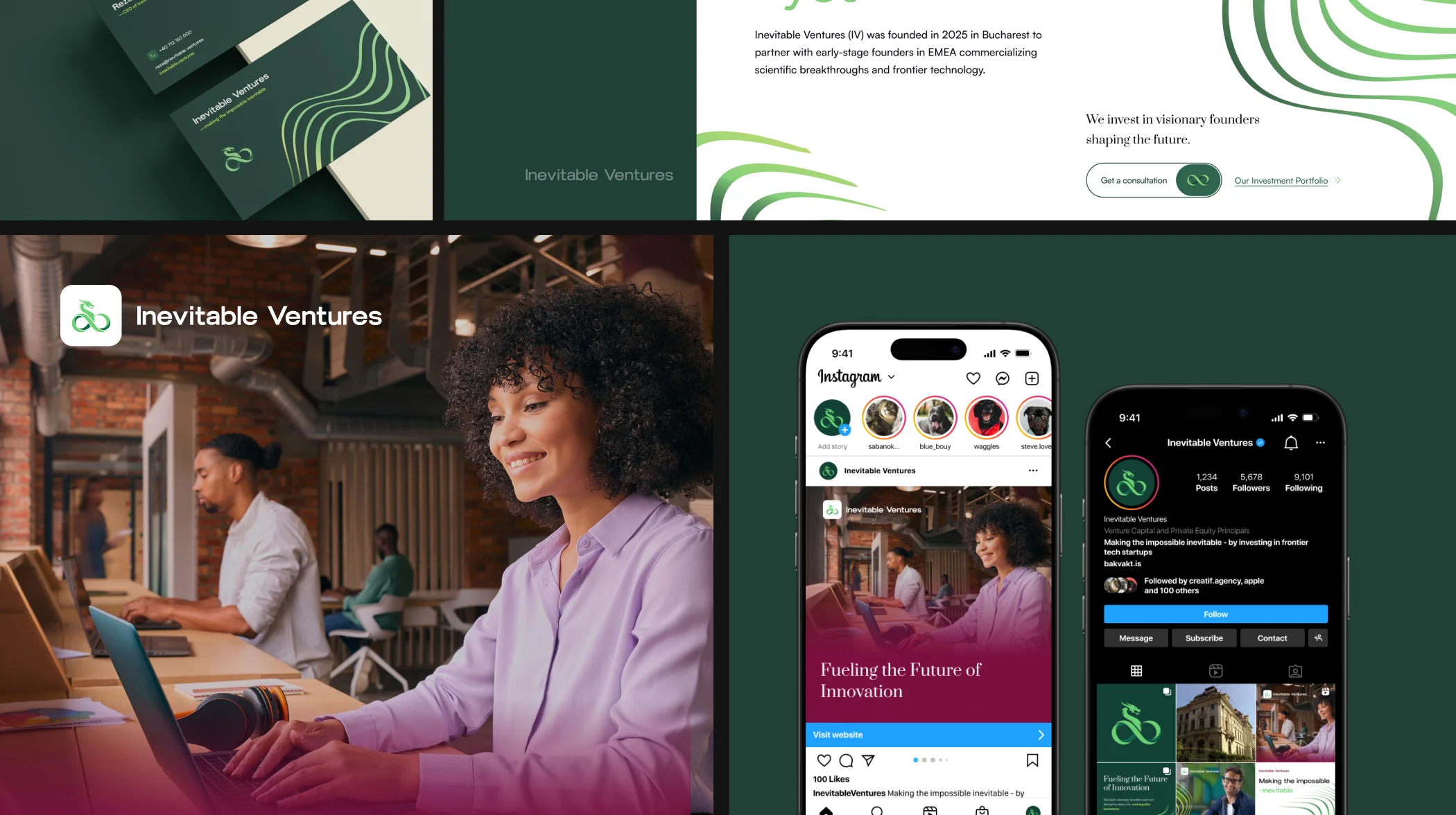
A usable identity system includes typography logic, color discipline, spacing principles, layout rules, icon style, and image direction. It also includes examples of how the brand is applied across website pages, marketing materials, and social content.
Brands break when the system is too thin. If your identity consists of a logo, two fonts, and a color palette, every new asset becomes a reinvention. Reinvention creates inconsistency. Inconsistency creates distrust.
A system reduces reinvention. It creates repeatability. Repeatability creates recognition.
Digital-first execution is where Paris branding wins or loses
Most brand experiences happen online. People discover you through search, social, referrals, and campaigns. They validate you on your website. They decide whether to contact you, buy, or trust you based on what they see there.
That is why branding must translate into digital structure. A brand is not complete until it is implemented on a website that communicates clearly and performs technically.
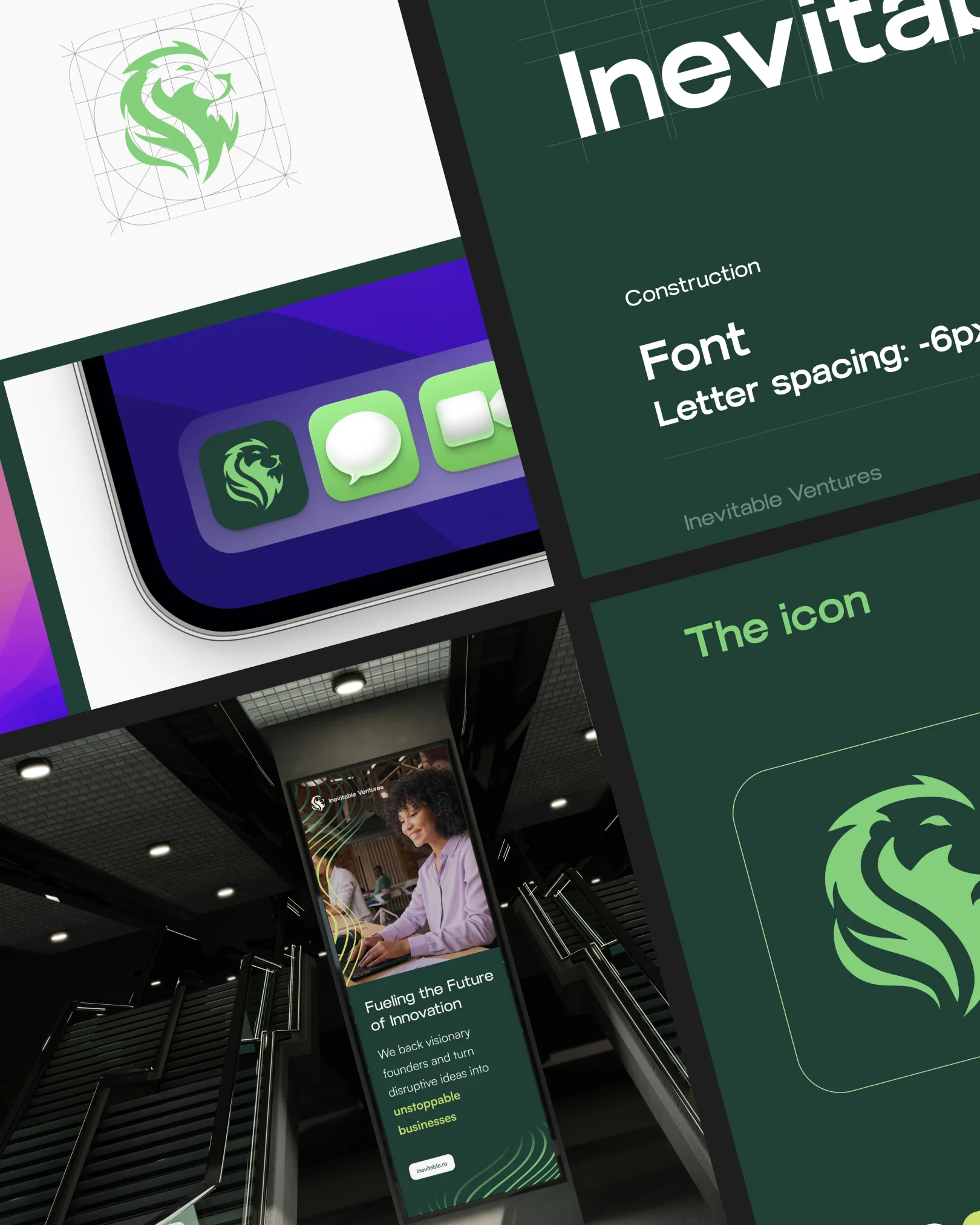
Digital-first branding means your identity rules are designed to work in UI. Your typography must be readable on mobile. Your spacing must support scanning. Your colors must meet accessibility. Your imagery must support narrative, not decorate pages.
It also means your website must load fast. Performance is a trust signal. Slow websites reduce perceived quality, especially in premium markets.
The brand system Paris companies actually need
Most companies do not need a hundred-page brand book. They need a system that can be applied with confidence.
- A practical Paris brand system usually includes:
- A clear positioning statement and differentiation logic
- A messaging framework with key phrases and hierarchy
- Typography and color rules designed for digital use
- Layout and spacing principles for web and content
- Image direction and visual style rules
- A brand guideline document focused on application
- A website design direction aligned to the brand system
- This set of deliverables creates consistency, improves execution speed, and reduces long-term design debt.
Common branding mistakes in Paris that weaken perception
The most common mistake is confusing style with positioning. A brand can look refined and still communicate nothing. Another mistake is using generic language. Generic language creates price comparison. Price comparison destroys premium perception.
Many brands also separate branding and website execution. They create an identity system, then hand it to another team to implement. That implementation often introduces drift. Drift creates inconsistency.
Finally, brands sometimes chase trend aesthetics. Trends feel fresh for months, then look dated. Premium brands build timeless systems that remain credible as the market changes.
How to approach a Paris rebrand without losing credibility
Rebranding is not just a visual change. It is a controlled shift in perception. The safest approach is to keep continuity where trust exists and change where clarity is needed.
Start with positioning updates and messaging structure. Decide what must remain consistent. Then redesign the identity system with clear rules. Then implement the rebrand on the website first, because the website is where customers validate the change.
A good rebrand feels inevitable. It looks refined, reads clear, and stays consistent across touchpoints.
What to do next if you want stronger branding in Paris
Start with positioning and messaging clarity. If your brand is generic, you will be compared on price. If your messaging is unclear, you will lose attention. If your identity is inconsistent, you will lose trust.
Build a system that is designed for digital execution. Translate that system into a website structure that communicates value quickly and supports conversion. Then expand into campaigns and collateral once the core system is stable.
That is how Paris branding becomes a growth lever rather than a visual exercise.
Frequently asked questions
What is digital-first branding
Digital-first branding means the brand system is designed to work primarily on screens. Typography, layout, messaging hierarchy, and identity rules are built for website and digital marketing execution first, then extended to print and other assets.
How much does branding typically cost in Paris
Cost depends on scope, strategy depth, and how much application is needed across website and marketing. A brand refresh differs from a full positioning and identity system build.
How long does a branding project take
Timelines depend on scope and stakeholder availability. Strategy, messaging, identity design, and guideline delivery follow a structured sequence to ensure consistency.
Is branding the same as logo design
No. Branding includes positioning, messaging, and a scalable identity system. Logo design is one part of a broader system.
Why do Paris brands need strong messaging structure
Because most users scan for relevance quickly. Messaging hierarchy reduces confusion and improves conversion by explaining value in a logical order.
Should branding and website be done together
Often, yes. Branding becomes real through digital implementation. Aligning branding and web design reduces drift and improves consistency across touchpoints.