Web Design Trends for Berlin Businesses in 2024
Explore the top web design trends for Berlin businesses in 2024, including minimalist design, multilingual content, interactive elements, sustainable practices, and voice search optimization
Berlin is a city known for its innovation, creativity, and dynamic spirit—and its web design landscape is no different. As companies in the German capital look to enhance their online presence, staying on top of the latest web design trends is crucial for remaining competitive. Below are the top web design trends that Berlin businesses should embrace in 2024.
Web design trends in Berlin
1. Minimalist Design: Simplicity with Purpose
Minimalist web design remains a leading trend in Berlin, focusing on clarity, clean layouts, and simplified navigation. This approach ensures a seamless user experience by reducing distractions and highlighting essential content. Businesses are increasingly using minimalist aesthetics to make their websites more visually appealing and easy to navigate. By adopting this design style, Berlin companies can ensure their sites are not only attractive but also highly functional.

2. Embracing Localized and Multilingual Content
Berlin’s diverse and multicultural environment calls for websites that speak to a wide audience. In 2024, more businesses are incorporating localized content and multilingual design elements. This strategy involves creating content that resonates with local communities while offering multiple language options. By optimizing websites for various languages, Berlin businesses can connect better with local and international clients, enhancing their digital reach.
3. Enhancing Engagement with Interactive Elements
To captivate visitors and improve user engagement, Berlin companies are increasingly integrating interactive elements and micro-animations. These features make websites dynamic and engaging, guiding users through content and highlighting important information. Micro-animations can enhance navigation, make the browsing experience more intuitive, and keep visitors on the site longer—key elements that contribute to better engagement and reduced bounce rates.
4. Committing to Sustainable Web Design
Sustainability is more than a trend in Berlin; it’s a commitment. Many businesses are now adopting sustainable web design practices, such as green hosting, efficient coding, and eco-friendly practices. These efforts aim to reduce digital carbon footprints and align with Berlin’s broader commitment to environmental responsibility. Adopting sustainable practices not only reflects positively on a brand’s image but also meets the growing demand from eco-conscious consumers.
5. Leveraging Data-Driven Personalization
Berlin businesses are leveraging data analytics to offer personalized web experiences. This trend involves using data to present tailored content, product recommendations, and dynamic website layouts that adapt to user preferences. Personalization helps increase engagement, foster customer loyalty, and drive higher conversion rates, positioning Berlin companies ahead of the curve in the competitive digital landscape.
6. Prioritizing Mobile-First and Responsive Design
With mobile internet usage on the rise, a mobile-first approach is essential for Berlin businesses in 2024. Responsive design ensures that websites function optimally on all devices, from smartphones to desktops. By adopting a mobile-first strategy, businesses can enhance their site’s usability and accessibility, improving user experience and search engine rankings. This focus on mobile compatibility is crucial for companies looking to capture a wider audience.
7. Optimizing for Voice Search
Voice search is rapidly gaining popularity in Berlin, as more people use voice-activated devices for quick searches. To capitalize on this trend, businesses need to optimize their websites for voice search by incorporating conversational keywords and natural language patterns. This optimization can increase visibility and reach, making it easier for potential customers to find Berlin-based businesses through voice search queries.
Conclusion
Staying ahead of web design trends is vital for Berlin businesses looking to strengthen their digital presence in 2024. By focusing on minimalist design, localization, interactivity, sustainability, personalization, mobile-first strategies, and voice search optimization, companies can enhance their websites’ performance and appeal. As a top web design company in Berlin, Creatif Agency is here to help businesses navigate these trends and achieve digital success.
More articles
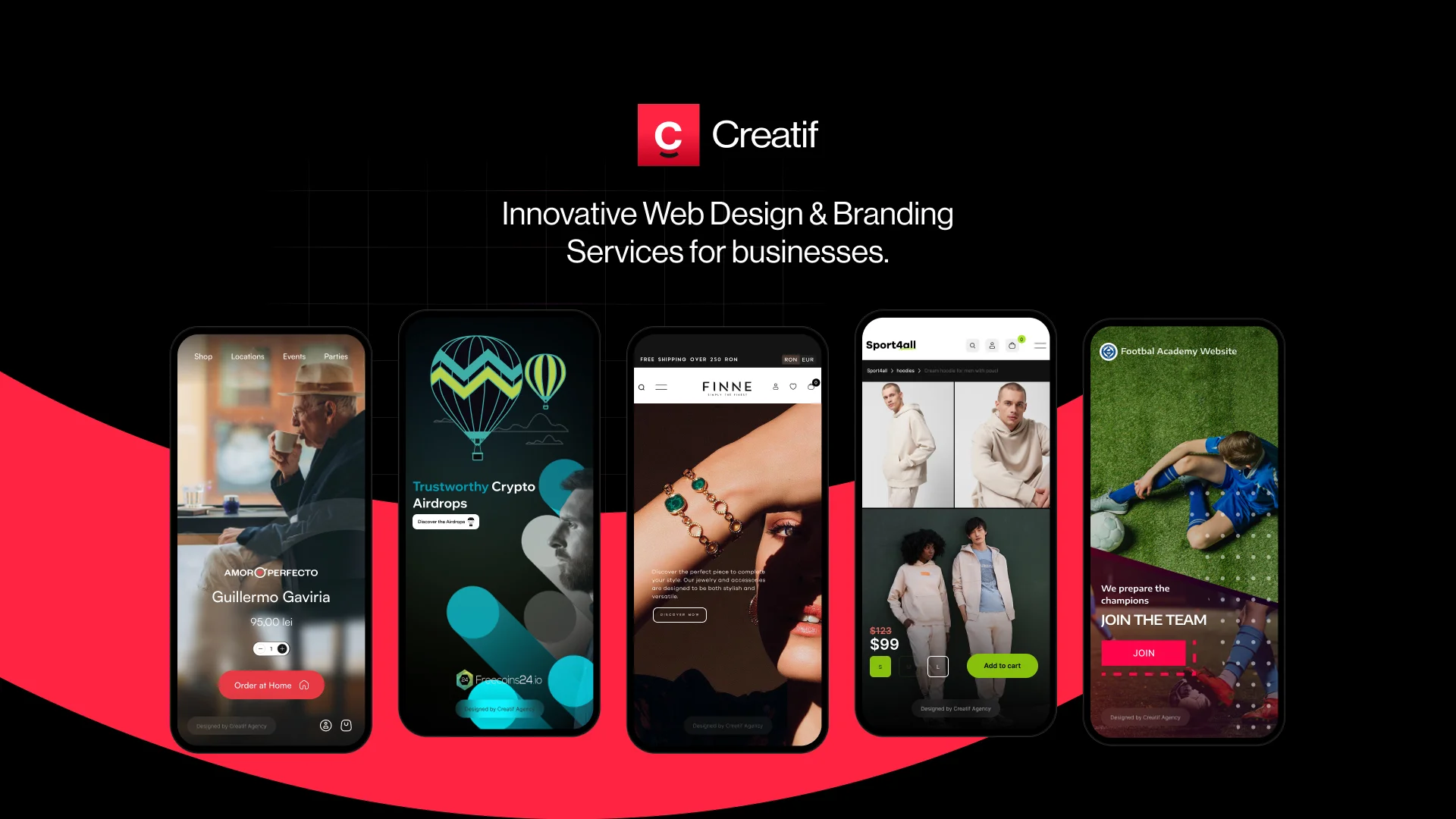

Web designer and co-founder of Creatif Agency. Over a decade working in branding and web design, building custom websites and brand identities for startups and established businesses across Europe and the US. Every article on this site is written from direct experience running projects, not theory.