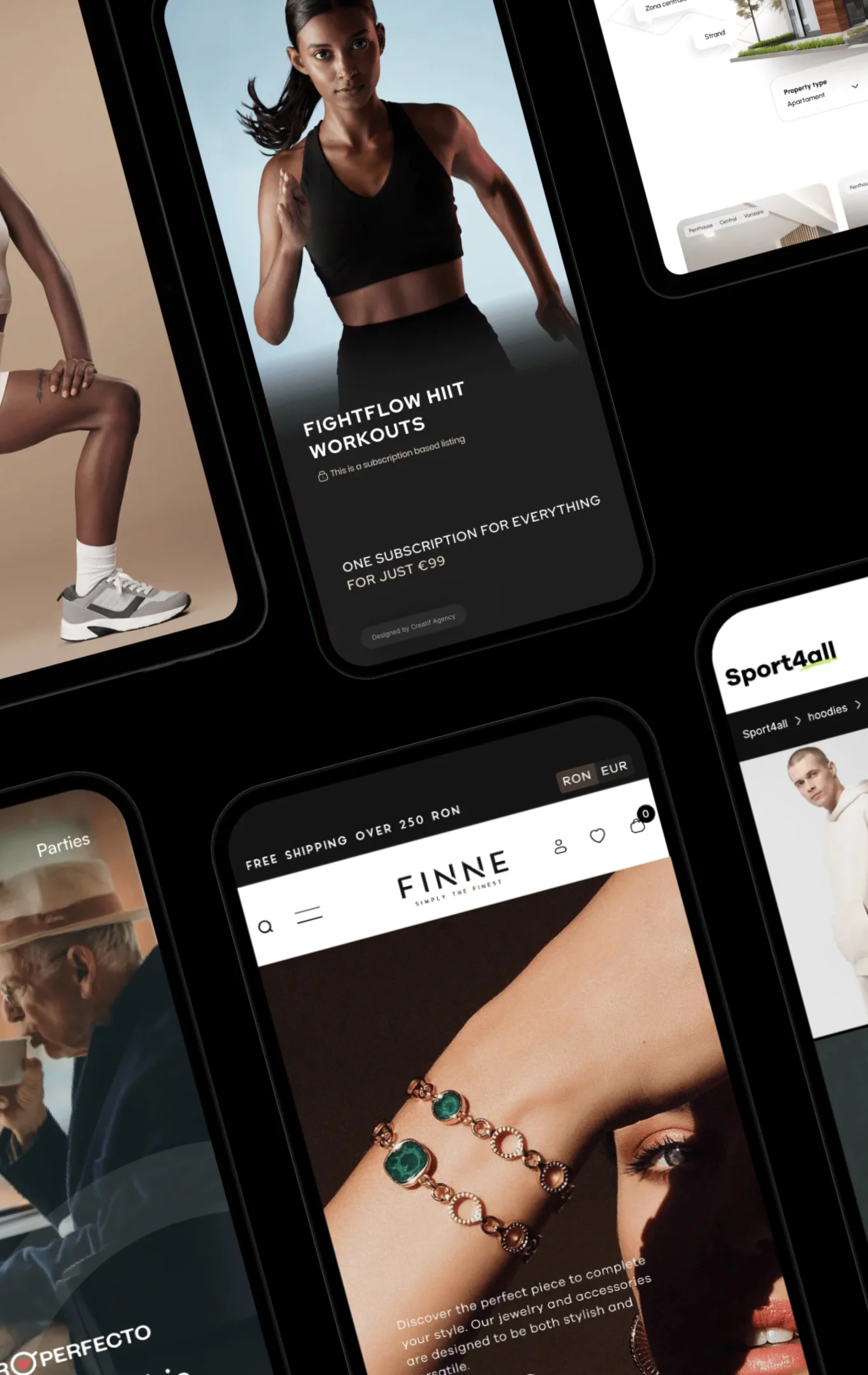
Why branding and web design must be aligned
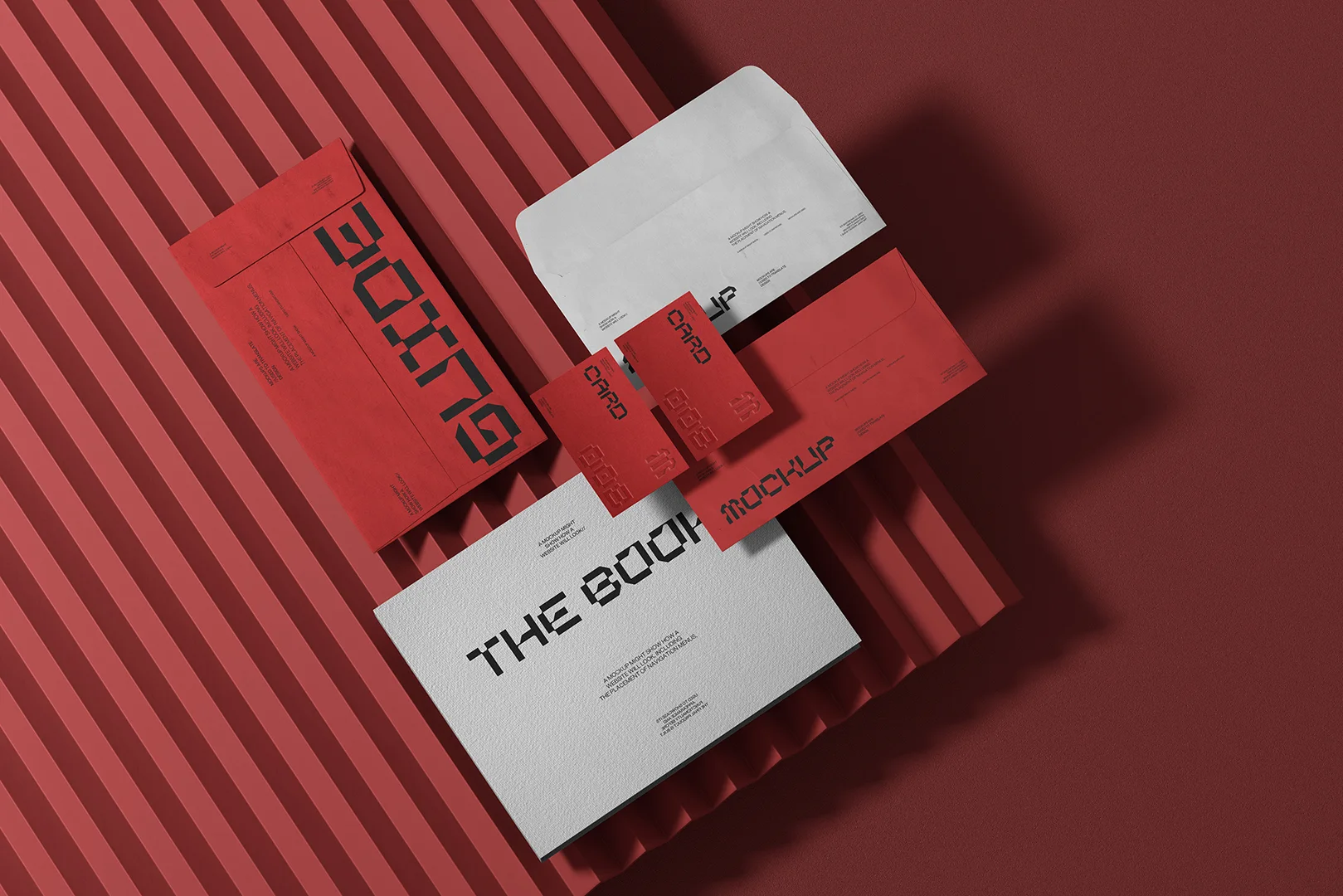
Branding and web design must be aligned because branding defines meaning while web design delivers experience. When the two are disconnected, websites confuse users, weaken trust, and reduce conversion. Aligned branding and web design create clarity, consistency, and scalability, improving performance and reducing long-term redesign costs.
Branding and web design are often treated as separate disciplines, handled by different teams, at different times, with different priorities. This separation is one of the most common reasons websites underperform. A website can look polished and still fail if it does not express the brand clearly, consistently, and convincingly. Alignment between branding and web design is not a creative preference, it is a structural requirement for credibility, conversion, and long-term growth.
Branding defines intent, web design enforces it
Branding answers non-negotiable questions: who the company is for, what problem it solves, how it differentiates, and why it should be trusted. Web design is the mechanism that enforces those answers through layout, information hierarchy, interaction patterns, and visual emphasis. When branding is vague or superficial, web design compensates with decoration. When web design ignores branding, intent dissolves into generic templates. Alignment ensures that intent is not optional; it is built into the experience.

Websites rarely fail loudly when branding and design are misaligned. They fail quietly. Users hesitate because value is unclear, hierarchy feels arbitrary, and calls to action lack conviction. This hesitation reduces conversion efficiency, lengthens sales cycles, and increases reliance on paid acquisition to compensate. Teams then “optimize” buttons, colors, or copy without addressing the structural cause, which compounds cost without fixing outcomes.
Consistency is operational, not cosmetic
Consistency is not about making everything look similar; it is about making decisions predictable. Aligned branding and web design establish rules for typography, spacing, tone, emphasis, and interaction so users instantly understand how to navigate and what matters. Inconsistent systems increase cognitive load and signal immaturity, eroding trust even when the product is strong. Trust loss is measurable as lower engagement, weaker lead quality, and slower conversion.
Conversion starts before the CTA
Conversion depends on belief, not buttons. Branding creates belief by framing the promise and credibility; web design structures that belief into a clear journey. When alignment exists, conversion paths feel inevitable. When it does not, teams resort to pressure tactics, aggressive CTAs, or discounts to force action, which raises acquisition costs and damages brand equity over time.
Growth exposes misalignment. New pages, products, markets, and campaigns amplify inconsistency when branding and design were created independently. Each addition requires reinterpretation, leading to drift, rework, and governance debates. Aligned systems share logic—components, patterns, and messaging frameworks—so expansion is additive, not destructive. This reduces future design and development cost and prevents premature redesign cycles.
Branding without web integration loses value
Brand guidelines that are not operationalized in the website are theoretical. The website is the primary brand interface; if alignment breaks here, it breaks everywhere. A brand that cannot be expressed clearly through structure, hierarchy, and interaction forfeits most of its strategic value, regardless of how refined the guidelines appear.
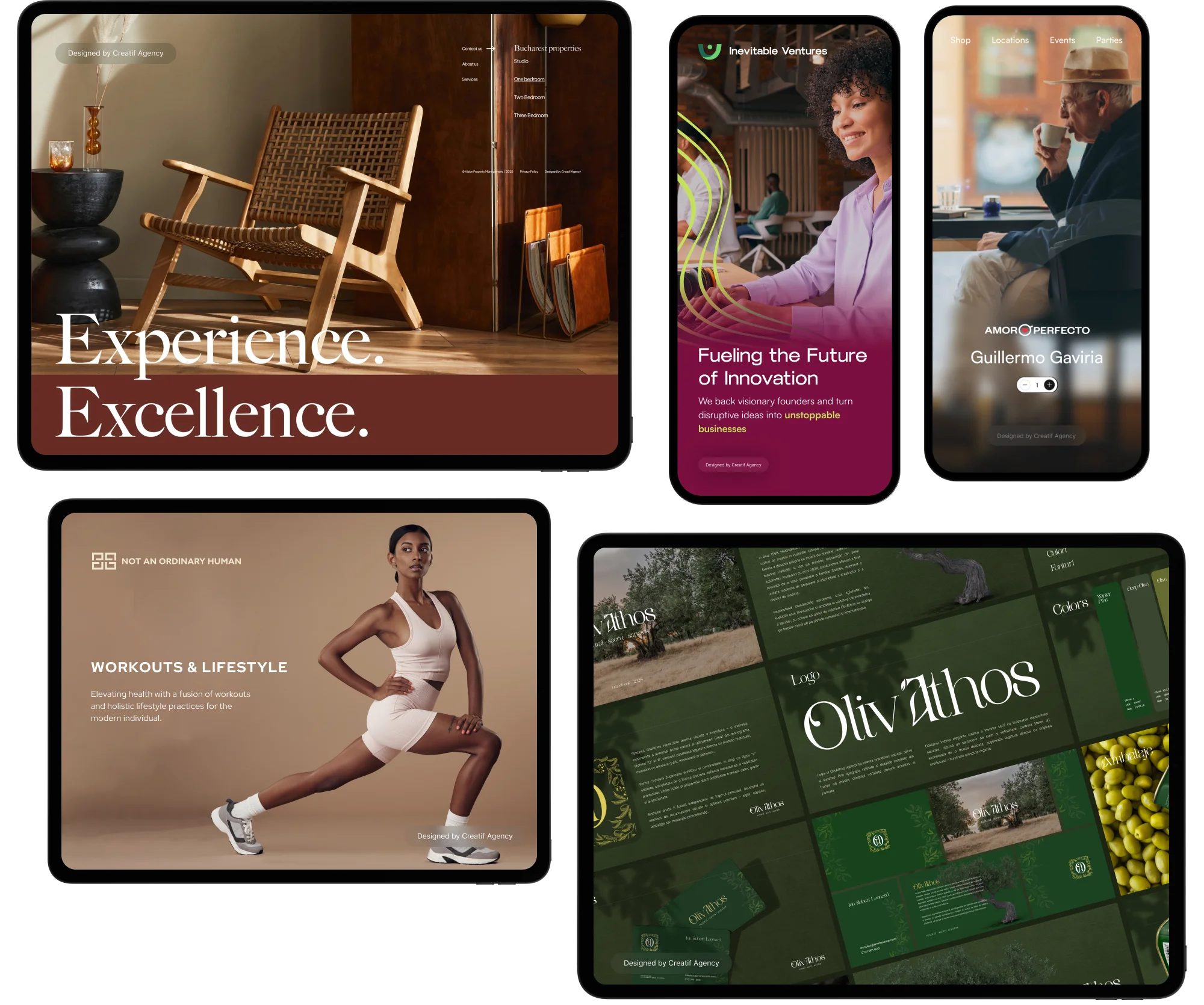
Web design without brand strategy lacks direction
Design executed without brand strategy defaults to trends and preferences. Decisions become subjective, revisions multiply, and redesigns follow taste rather than outcomes. Alignment provides an objective yardstick: decisions are evaluated against positioning, narrative, and audience intent, not opinion. This reduces churn and accelerates execution.
The real cost of misalignment
Misalignment increases internal friction. Marketing improvises, sales adapts messaging manually, designers reinterpret visuals per asset, and developers patch inconsistencies. These inefficiencies compound into higher total cost of ownership: more redesigns, more meetings, slower launches, and weaker performance. Alignment is a cost-control mechanism as much as a growth lever.

How to ensure alignment from the start
Alignment requires sequencing and ownership. Branding decisions—positioning, messaging, visual principles—must be defined before web design begins. Web design then translates those decisions into structure, UX, and interaction with explicit rules. Treat branding and web design as one system with a single source of truth, even if execution is phased. This prevents drift and preserves intent.
More articles


Web designer and co-founder of Creatif Agency. Over a decade working in branding and web design, building custom websites and brand identities for startups and established businesses across Europe and the US. Every article on this site is written from direct experience running projects, not theory.