How to Maintain Brand Consistency Across Multiple Platforms

Maintaining brand consistency across multiple platforms is crucial for building trust and recognition. A consistent brand identity enhances customer loyalty and ensures that your messaging resonates with your audience, no matter where they encounter your brand. This article will explore effective strategies for ensuring visual brand consistency and maintaining a cohesive brand presence across various channels.
1. Understanding Brand Consistency
Brand consistency refers to the practice of presenting your brand in a uniform manner across all platforms and touchpoints. It encompasses your brand’s visual elements, messaging, and overall tone, ensuring that every interaction reflects your brand identity.

Why Brand Consistency Matters:
- Builds Trust: A consistent brand creates familiarity and trust with your audience.
- Enhances Recognition: Recognizable branding helps consumers identify your business quickly.
- Strengthens Brand Loyalty: Consistency fosters a connection with your audience, encouraging repeat engagement.
2. Key Elements of Brand Consistency
To maintain a cohesive brand identity, focus on several key elements:
- Logo Usage:
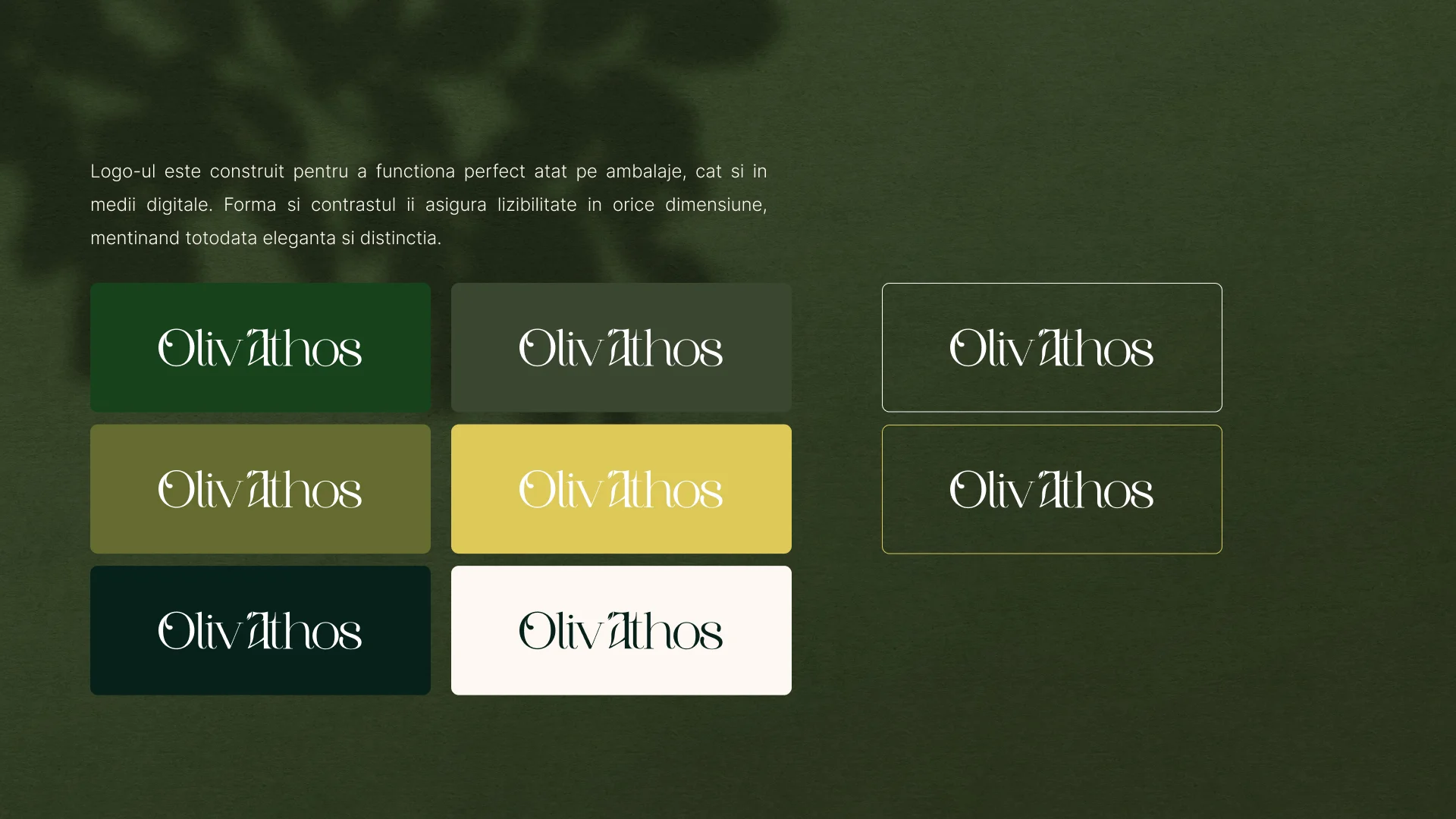
- Ensure that your consistent logo is used appropriately across all platforms. This includes adhering to size, color, and placement guidelines.
- Color Palette:
- Stick to a defined color palette that represents your brand. Use these colors consistently in all materials, including social media graphics, website design, and print collateral.
- Typography:
- Select a set of fonts that align with your brand identity and use them consistently across all channels. This includes headings, body text, and promotional materials.
- Tone and Messaging:
- Develop a clear brand voice and messaging framework that reflects your brand’s personality. Use this tone consistently in your content, whether on social media, websites, or advertisements.
3. Creating Brand Guidelines
Developing comprehensive brand guidelines is essential for maintaining consistency. These guidelines should serve as a reference for anyone creating content for your brand.
Key Components of Brand Guidelines:
- Logo Usage: Specify how your logo should and should not be used, including variations for different backgrounds.
- Color Specifications: Provide exact color codes (RGB, CMYK, HEX) for your brand colors.
- Typography Guidelines: List approved fonts, sizes, and usage examples.
- Voice and Tone: Outline the preferred tone for messaging and provide examples of appropriate language.
Benefits of Brand Guidelines:
- Ensures all team members and external partners understand and implement your branding consistently.
- Serves as a valuable resource for new employees and collaborators.
4. Ensuring Consistency Across Multiple Platforms
To effectively maintain brand consistency across various platforms, consider the following strategies:
- Audit Your Current Branding:
- Conduct a thorough audit of your existing branding across all platforms. Identify inconsistencies and areas for improvement.
- Utilize Scheduling Tools:
- Use social media scheduling tools to plan and review your posts in advance. This allows you to ensure consistent messaging and visual elements across all platforms.
- Create Templates:
- Develop templates for social media graphics, email newsletters, and other marketing materials. This not only streamlines the design process but also ensures consistency in branding.
- Regularly Review and Update:
- Periodically review your branding efforts and adjust as necessary. Ensure that new campaigns and materials align with your established brand guidelines.
5. Engaging with Your Audience Consistently
While visual elements are important, engaging with your audience consistently is equally crucial. Here are some tips:
- Responsive Communication:
- Maintain consistent responses across all customer service channels, whether through social media, email, or phone. Ensure that your team understands the brand’s tone and messaging.
- Content Strategy:
- Develop a content strategy that outlines the type of content you will share and the platforms you will use. Ensure that messaging aligns with your brand values and objectives.
- Social Media Consistency:
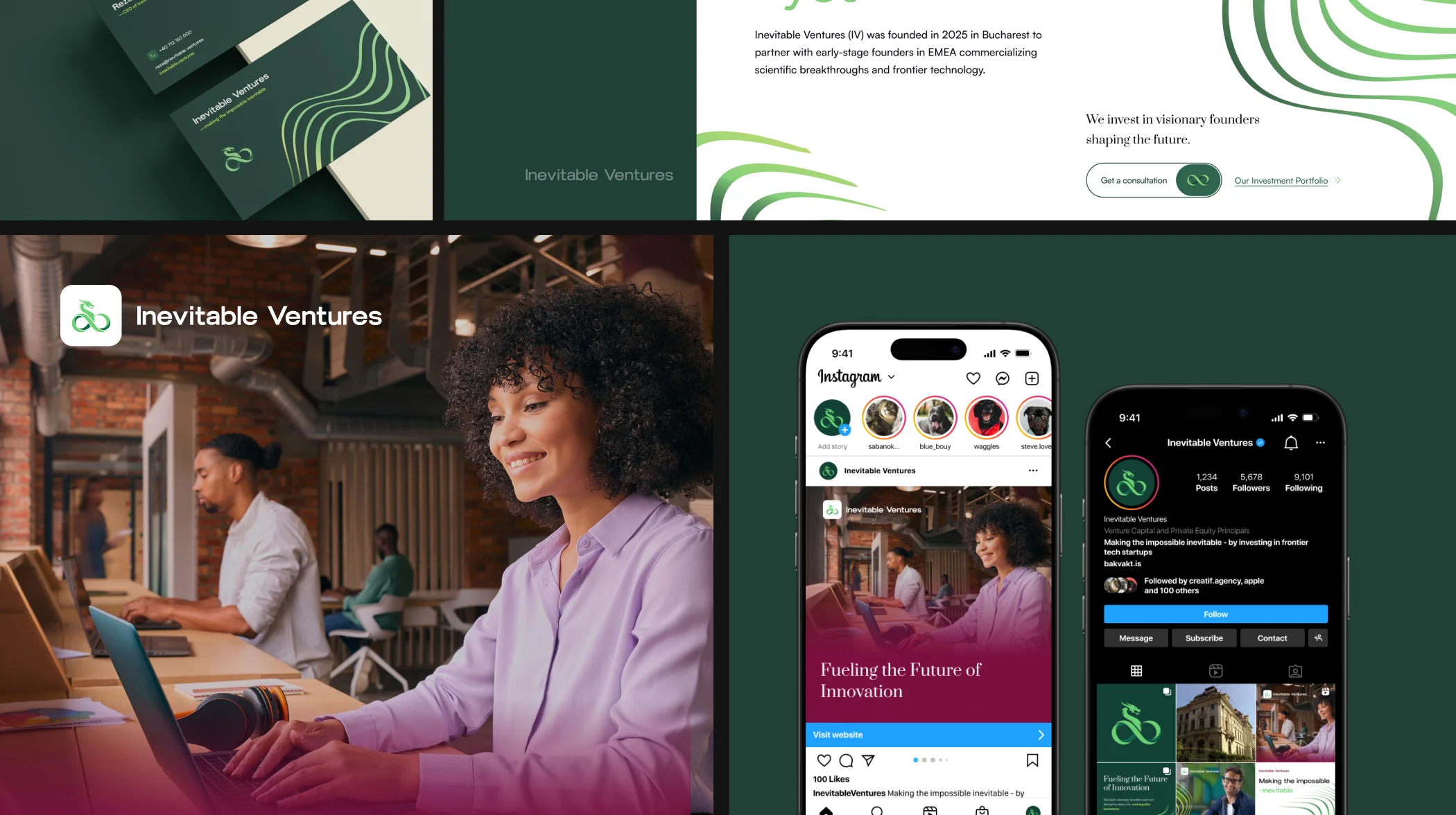
- Use consistent branding elements in social media profiles, including profile pictures, cover images, and bio descriptions. This reinforces brand identity across platforms.
6. Measuring Brand Consistency
Finally, assess the effectiveness of your brand consistency efforts:
- Monitor Feedback:
- Gather feedback from customers regarding their perceptions of your brand. Look for common themes that indicate whether your branding is resonating.
- Analyze Performance:
- Use analytics tools to track engagement metrics on different platforms. Assess whether consistent branding correlates with improved engagement and conversion rates.
Conclusion: The Importance of Consistent Branding Design
Maintaining brand consistency across multiple platforms is essential for establishing a recognizable and trustworthy brand identity. By focusing on key branding elements, creating clear guidelines, and engaging consistently with your audience, you can ensure that your brand stands out in a crowded marketplace. Remember, consistency is not just about visual elements; it’s about creating a cohesive brand experience that resonates with your audience at every touchpoint.
Additional reading

More articles





Web designer and co-founder of Creatif Agency. Over a decade working in branding and web design, building custom websites and brand identities for startups and established businesses across Europe and the US. Every article on this site is written from direct experience running projects, not theory.