Branding agency vs logo designer: What’s the difference
A logo designer delivers a visual mark, while a branding agency builds a complete brand system that includes strategy, positioning, messaging, identity rules, and implementation guidance. Businesses that rely only on logo design often face inconsistency, repeated redesigns, and higher long-term costs, whereas agency-led branding reduces risk and supports sustainable growth.
The difference between a branding agency and a logo designer is not about creativity or visual quality. It is about responsibility, scope, and long-term business impact. While both work with visual identity, they operate at entirely different levels of decision-making. Confusing the two often results in brands that look acceptable on launch but fail to scale, communicate clearly, or maintain consistency as the business grows.
The problem each option is designed to solve
A logo designer solves a narrow problem: creating a recognizable visual symbol. The output is usually a logo file, sometimes accompanied by basic color or font suggestions. This approach assumes that the business already understands its positioning, audience, and messaging, or that these elements are not critical to success.
A branding agency solves a broader and more complex problem: how a business should be perceived, understood, and trusted over time. The agency’s role is to define meaning before form. This includes clarifying positioning, shaping narrative, and designing systems that ensure consistency across every touchpoint where the brand appears.
Execution versus system thinking
Logo design is execution-focused. Decisions are typically subjective, guided by preference rather than strategy. This works when the brand has limited exposure or short-term use, but it breaks down quickly as complexity increases.
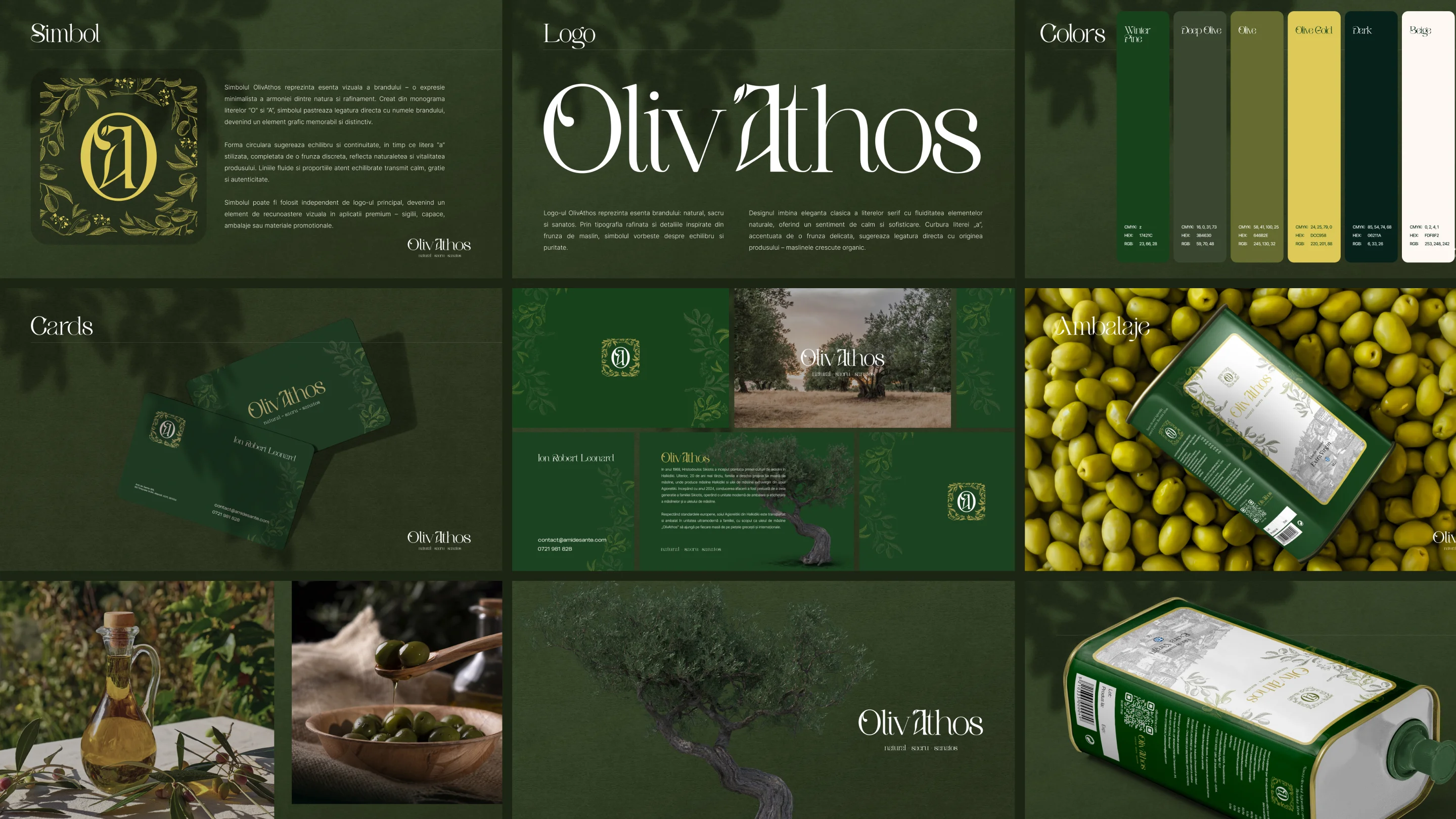
Branding agencies operate with system thinking. Every design decision is anchored to strategic intent and future use. Visual elements are created as parts of a system that can be applied repeatedly without reinterpretation. This distinction becomes critical once multiple people, platforms, or campaigns are involved.
Consistency, governance, and control
One of the most expensive branding mistakes businesses make is assuming consistency will emerge organically. A logo alone does not define how layouts should work, how typography scales, how imagery is selected, or how tone adapts across contexts. Without rules, every new asset becomes a reinterpretation.
Branding agencies address this by defining governance. Brand guidelines are not aesthetic documents; they are operational tools that reduce decision friction, prevent dilution, and protect brand equity. This control is what allows brands to grow without constant redesign or internal debate.
Risk and total cost of ownership
Logo designers are cheaper upfront because their scope is limited. The hidden cost appears later, when the business starts layering marketing, digital products, and communication on top of an undefined brand. Inconsistencies accumulate, credibility erodes, and eventually a rebrand becomes unavoidable.
Branding agencies cost more initially because they absorb risk early. They invest time in understanding the business, market, and audience to avoid costly corrections later. When viewed through total cost of ownership, agency-led branding often proves more economical because it reduces redesign cycles, wasted marketing spend, and brand confusion.
Scalability and growth readiness
A logo can exist without growth. A brand cannot. As businesses expand into new markets, launch new offerings, or increase marketing activity, the absence of a structured brand becomes a liability. Messaging fragments, visuals drift, and teams improvise.
Branding agencies design for growth from the outset. Their work anticipates future use cases and builds flexibility into the system. This does not mean overengineering; it means avoiding dead ends that force expensive rebuilds later.
When a logo designer is sufficient
A logo designer can be the right choice when branding is not mission-critical. This includes internal projects, temporary initiatives, early experiments, or businesses with very limited exposure. It can also work when a company already has a clear brand strategy and governance in place and only needs execution support.
The key condition is that the logo is not expected to carry the weight of brand definition on its own.
When a branding agency is the rational choice
A branding agency becomes necessary when brand perception affects revenue, trust, or differentiation. This includes startups seeking credibility, growing companies entering competitive markets, and established businesses repositioning or consolidating offerings. In these scenarios, branding is not decoration; it is infrastructure.
Choosing an agency is less about aesthetics and more about reducing uncertainty and aligning brand decisions with business outcomes.
Making the decision without bias
The decision between a branding agency and a logo designer should be based on what problem needs to be solved, not on budget alone. If the goal is to create a symbol, a logo designer may suffice. If the goal is to build a brand that can support growth, consistency, and long-term value, a branding agency is the appropriate tool.
Understanding this distinction prevents underinvestment at critical stages and avoids paying twice for branding that was never properly defined.