What is a brand system – and why your business needs one
Article overview:A brand system is the complete set of strategic and visual rules that govern how a brand looks, sounds, and behaves across every touchpoint — from the website and social media to pitch decks and packaging. It includes positioning, messaging, visual identity, typography, colour, imagery direction, and usage guidelines. Without a brand system, execution drifts. With one, every piece of communication reinforces the same identity consistently and without guesswork.
A logo is not a brand. A colour palette is not a brand. A well-written About page is not a brand. These are elements, and elements without a system to govern them produce inconsistency, drift, and a business that looks and sounds different depending on who made the last piece of communication. A brand system is the structure that holds everything together. It is the complete set of strategic and visual rules that determine how your brand behaves across every touchpoint, every channel, and every execution, whether that is the homepage, a sales deck, a social post, or a product page. This guide explains what a brand system actually includes, why it matters commercially, and what a business without one loses every day it operates without one.
The difference between a brand and a brand system
A brand is how your business is perceived, the accumulated impression formed by every interaction a person has with your company. A brand system is the mechanism that controls that impression deliberately rather than leaving it to chance. Think of the brand as the destination and the brand system as the map everyone in the business uses to get there consistently. Without the map, different people make different decisions. The website looks one way, the pitch deck looks another, the social media feels different again. Each piece is competent in isolation. Together they signal a company that has not decided what it is, which is precisely what premium clients and serious investors notice before anything else.

What a brand system includes
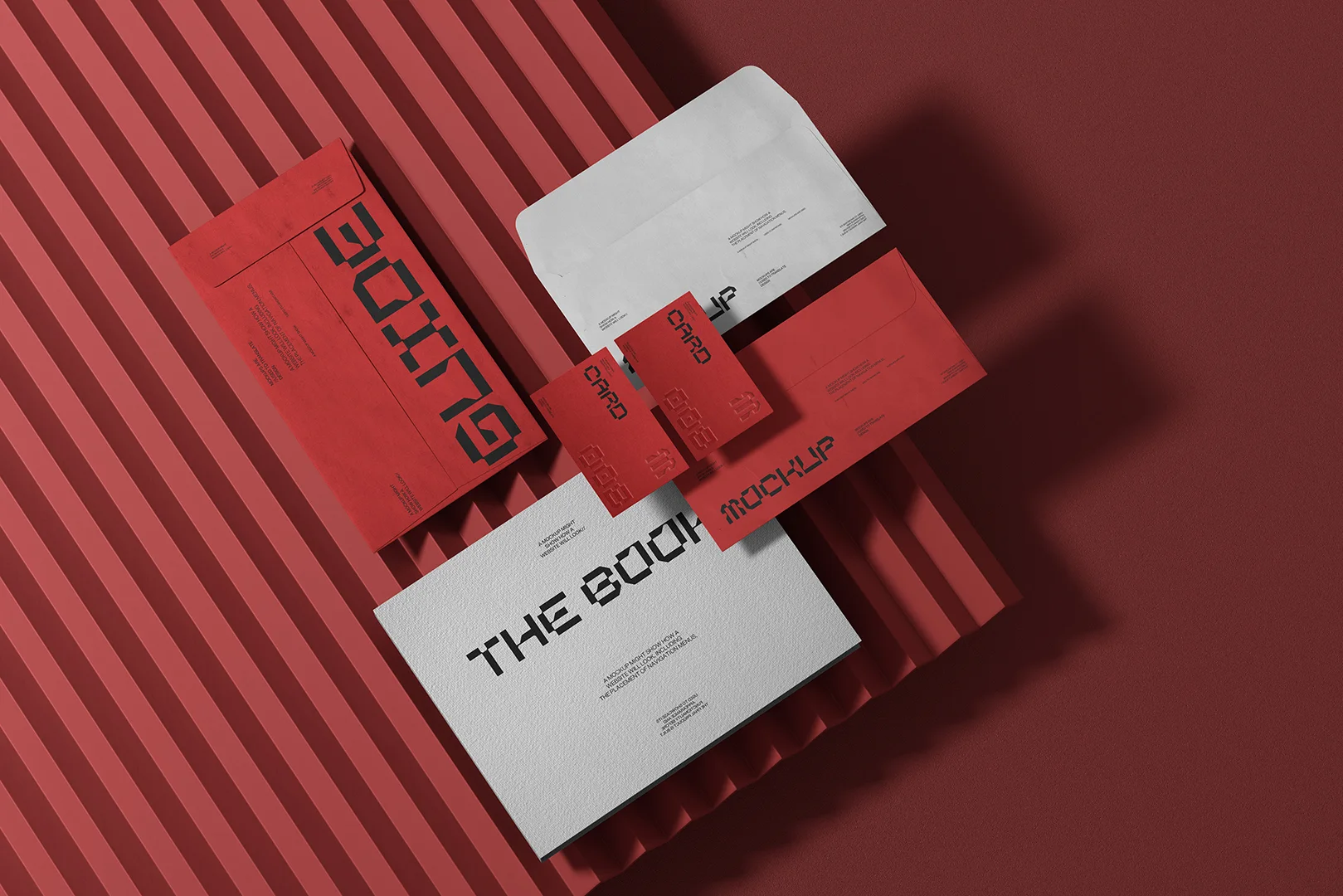
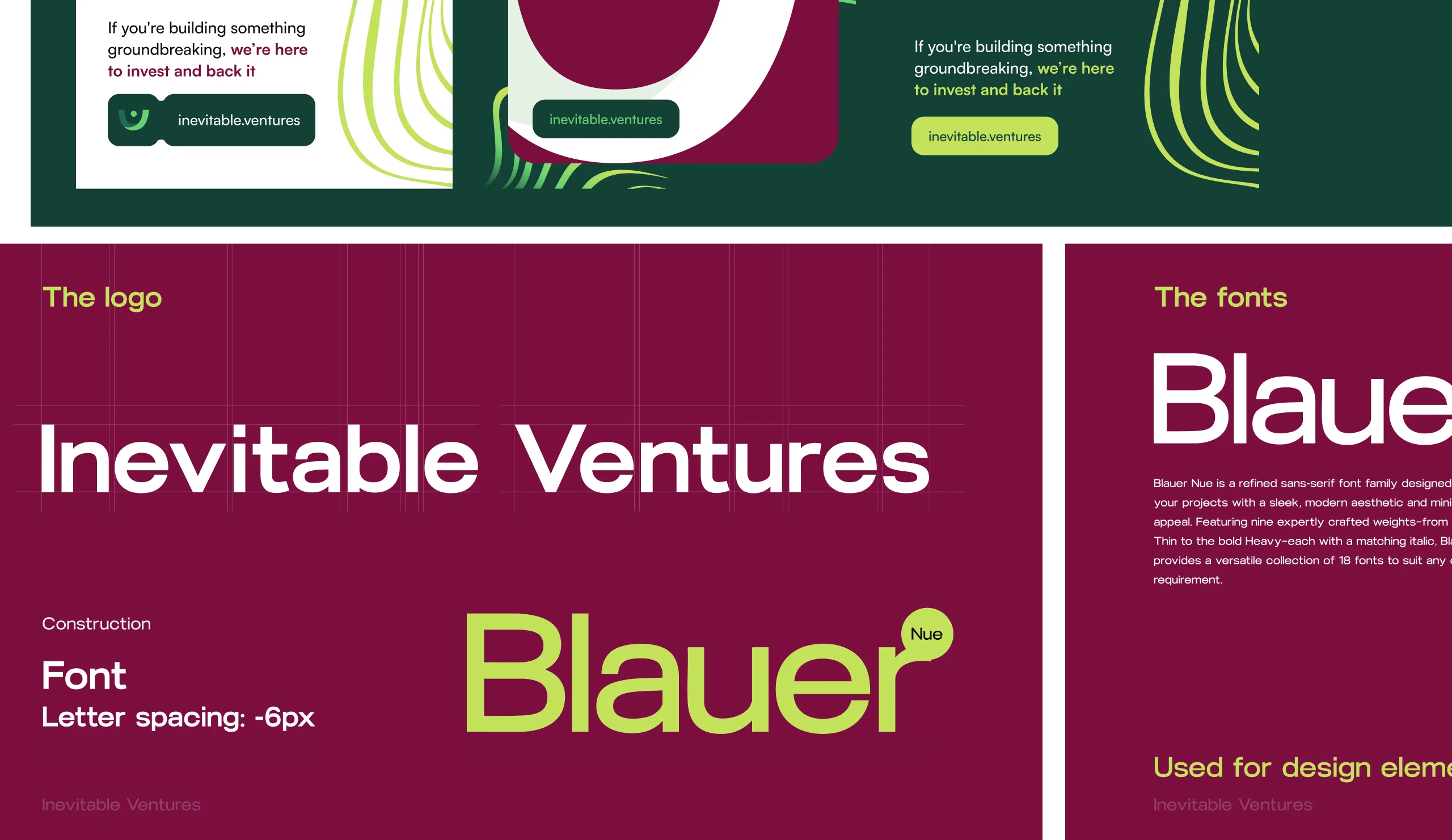
A complete brand system covers two interconnected layers: strategy and execution. The strategy layer defines what the brand means. This includes positioning, target audience, messaging hierarchy, tone of voice, and the core value proposition. This is the thinking that gives every downstream decision its logic. Without it, visual decisions are made on aesthetic preference rather than commercial intent, and the result is a brand that looks considered but communicates nothing specific. The execution layer defines how the brand looks and sounds: the logo suite and its variants, the colour system with defined primary and secondary palettes, the typography with rules for how typefaces are used at each hierarchy level, the imagery direction, the layout logic, the iconography style, and the brand patterns or supporting graphic elements that make the system flexible across different formats. Together these two layers produce a brand that can be applied consistently by anyone, whether an internal team, an external agency, a developer, or a printer, without the business losing control of how it looks and feels. The detail of how these two layers are built in practice is covered in inside a branding project at Creatif.
Why consistency is a commercial asset
Businesses underestimate how much inconsistency costs them. Every time a prospect encounters your brand looking slightly different from the last time, a different shade of the primary colour on the proposal, a different typeface on the deck, a website that does not feel connected to the sales material, the implicit signal is that the business does not have its act together. That signal operates below the level of conscious thought. The prospect does not articulate it. They just feel less confident, and that feeling directly affects whether they move forward. Consistency, by contrast, builds trust at the same unconscious level. A brand that looks and sounds like itself across every touchpoint communicates operational discipline, attention to detail, and a standard of quality that extends beyond the design itself. This is precisely what buyers of premium services are evaluating before they commit. The relationship between branding and web design is direct for exactly this reason, and why branding and web design must be built together rather than in sequence.
When a business needs a brand system
The answer is earlier than most businesses think. The most common pattern is that a business launches with a logo and some basic visual assets, grows to a point where multiple people are producing marketing material, and then realises that nothing looks connected anymore. By that point, rebuilding requires undoing drift that has accumulated over time, which costs more than building it correctly from the start. The businesses that invest in a brand system at the right moment, typically at launch, at a significant funding round, at market entry, or at a rebrand, find that every subsequent piece of marketing is faster to produce, more consistent in quality, and more effective in building recognition. A system is infrastructure. Like any infrastructure, it pays back the investment through the compounded effect of consistency over time. The other signal that reliably indicates a brand system is needed is when the current brand no longer reflects the quality of the business. If the website, the deck, and the social presence all communicate a version of the company that has been outgrown, that gap costs real money in the quality of enquiries, the credibility of pitches, and the price sensitivity of prospects.
What a brand system is not
A brand system is not a PDF that gets filed and forgotten. A brand guidelines document is part of a brand system, the reference that ensures consistent execution, but the system itself is the thinking, the decisions, and the assets that make consistency possible in the first place. A brand system is also not a constraint on creativity. The best brand systems are flexible enough to allow creative expression across different formats and contexts while remaining coherent and recognisable. The goal is not rigidity. It is coherence. A well-built system expands what is possible because it establishes the rules clearly enough that everyone knows which decisions are fixed and which have room to move. At Creatif Agency, every branding project produces a complete brand system, not a logo pack, built for rollout from day one.
FAQ — what is a brand system
What is a brand system? A brand system is the complete set of strategic and visual rules that govern how a brand looks, sounds, and behaves across every touchpoint. It includes positioning, messaging, visual identity, typography, colour, imagery direction, and the guidelines that ensure consistent execution regardless of who is producing the work.
What is the difference between a brand system and brand guidelines? Brand guidelines are a component of a brand system, the document that records the rules for consistent execution. A brand system is larger: it includes the strategy and thinking that informed those rules, the assets themselves, and the practical templates that make application fast and consistent.
Does a startup need a brand system? Yes, particularly if the business is having conversations with investors, enterprise clients, or press. A brand system signals operational maturity and ensures every touchpoint reinforces the same identity. Startups that launch with a proper system spend less time and money correcting drift later.
How much does a brand system cost? It depends on scope and depth. A focused identity system starts from €8,000 to €15,000. A full brand system with strategy, complete identity, guidelines, and digital application typically sits between €15,000 and €40,000. The branding costs guide covers the full picture by project type.
Who builds a brand system? A specialist branding agency that works across strategy, identity, and digital execution. Creatif Agency builds complete brand systems entirely in-house, from positioning and messaging through to visual identity and rollout-ready assets. Contact our team to discuss what a brand system project would involve for your business.
What happens if a business does not have a brand system? Execution drifts. Different people make different visual and verbal decisions, and the cumulative effect is a brand that looks inconsistent across touchpoints. That inconsistency signals a lack of operational control to exactly the buyers and investors the business is trying to impress, and it costs more to fix retrospectively than to build correctly from the start.

More articles



Web designer and co-founder of Creatif Agency. Over a decade working in branding and web design, building custom websites and brand identities for startups and established businesses across Europe and the US. Every article on this site is written from direct experience running projects, not theory.