How long does a website take to build
Article overview:A custom website built by a professional agency typically takes 4 to 16 weeks from brief to launch. A basic presentation website takes 4 to 6 weeks. A custom business website takes 6 to 10 weeks. An ecommerce website takes 8 to 14 weeks. A corporate or custom platform takes 12 to 16 weeks or more. The biggest driver of delays is not the agency. It is content readiness, slow feedback cycles, and scope changes mid-project.

The honest answer is between four and sixteen weeks for a professionally built custom website. But that range is not vague. Every project sits somewhere specific within it, and the factors that determine where are predictable before the first design file is opened.
This guide covers realistic timelines for every type of website project, what each phase of the build actually involves, and the real reasons projects run late. If you are planning a website project and want to know what to expect, this is where to start.

Website build time at a glance
| Website type | Typical timeline |
| Basic presentation website | 4 to 6 weeks |
| Custom business website | 6 to 10 weeks |
| Ecommerce website | 8 to 14 weeks |
| Corporate website | 10 to 16 weeks |
| Custom platform or web application | 16 to 24+ weeks |
What drives timeline more than anything else
Before breaking down each project type, it is worth being direct about what actually determines how long a website takes.
The agency’s design and development speed is a factor, but it is rarely the limiting one. The two things that slow projects down more than anything else are content readiness and feedback speed.
Content readiness means having your copy, photography, logos, and brand assets prepared before the project starts. When a client hands over a brief with no text, no images, and a vague sense of direction, the agency cannot build anything meaningful until those gaps are filled. Every week spent waiting for content is a week added to the timeline.
Feedback speed means responding to design reviews, revision rounds, and approval requests within a reasonable window. Projects that sit in review for two weeks at a time do not launch on schedule. Projects where the client responds within 48 hours almost always do.
The agency controls the quality of the build. The client controls the pace of the project. Both sides need to show up for the timeline to hold.
How long each website type takes

Basic presentation website, 4 to 6 weeks
A focused website covering who you are, what you do, and how to get in touch. Five to seven pages, a contact form, mobile-responsive design, and a CMS.
The timeline for this type of project breaks down roughly as: one week for discovery and strategy, one to two weeks for UX and design, one to two weeks for development, and one week for testing, revisions, and launch preparation.
Four weeks is achievable when the client comes prepared with content, clear feedback, and quick approval turnarounds. Six weeks is more realistic for most businesses going through the process for the first time.
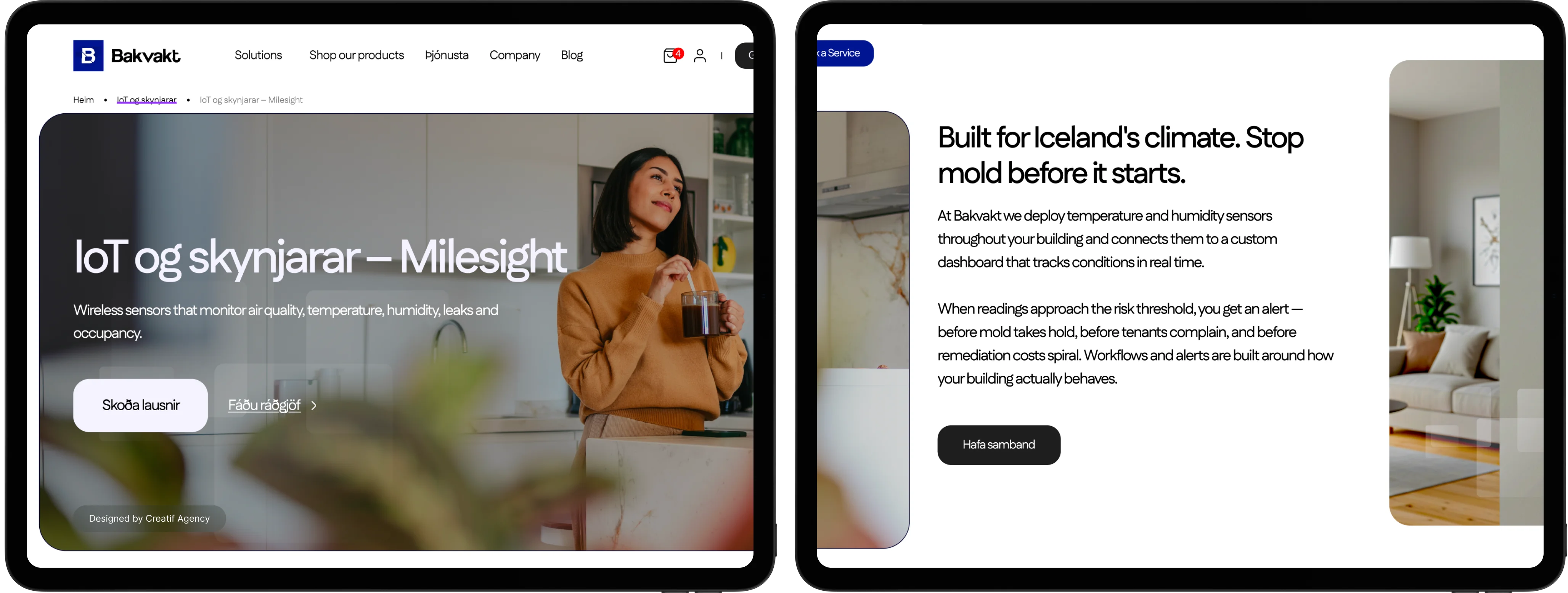
Custom business website, 6 to 10 weeks
A fully custom website for businesses that need to communicate a clear value proposition, build trust, and convert visitors into leads or enquiries.
More pages, more design complexity, and more content to coordinate. The discovery phase is longer because the strategy work is more involved. Design rounds typically include more iterations. Development covers more page templates and more CMS configuration.

Eight weeks is the realistic midpoint for most custom business websites. Six weeks is possible with an experienced client who is well-prepared. Ten weeks happens when content arrives late or feedback rounds extend.
At Creatif Agency, most custom business website projects run six to ten weeks. Every project is designed from scratch, which means the design phase cannot be rushed without compromising the output. The development that follows it is built on what was designed, not on a theme that was purchased.
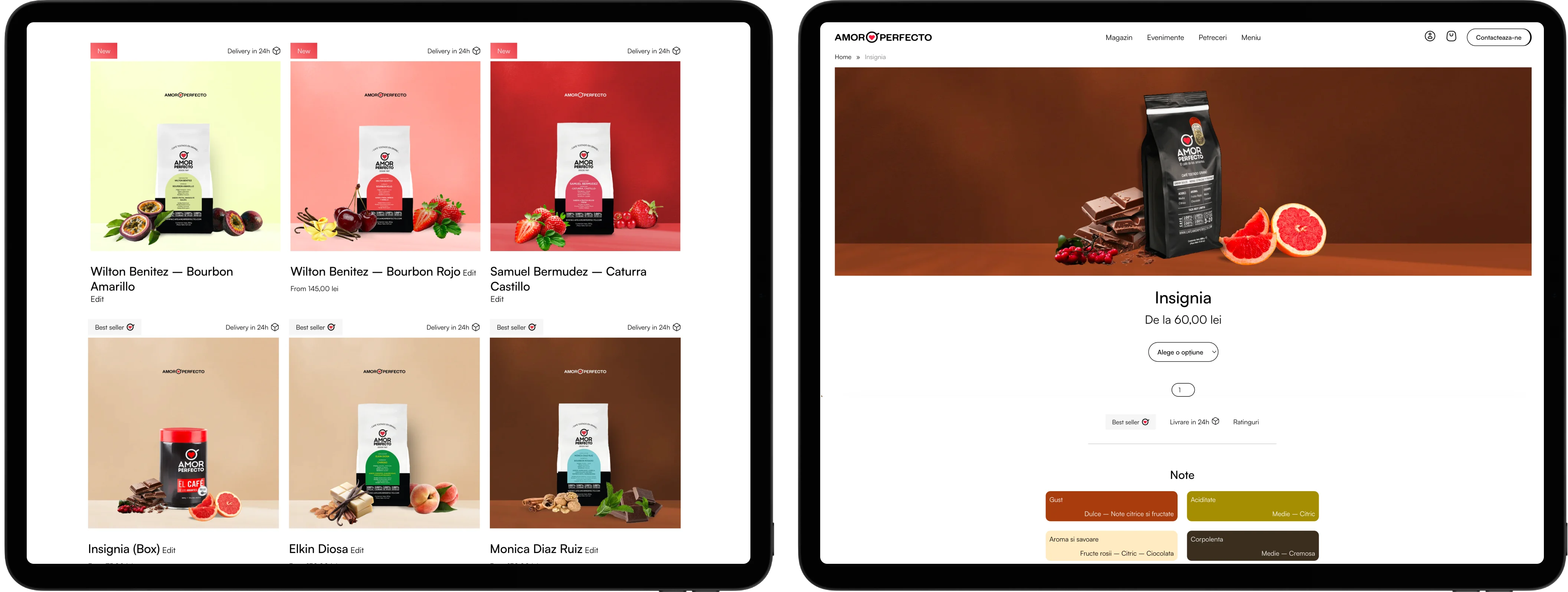
Ecommerce website, 8 to 14 weeks
Building an online shop is a different discipline from building a presentation website, and the timeline reflects that.
Product catalog setup, payment gateway integration, shipping logic, customer account management, and testing across every purchase flow all add significant time to the build. The more products, the more complex the catalog structure. The more markets, the more currency and language configuration. The more custom the checkout experience, the more development time required.
A focused Shopify build with a defined product range and a clear brief sits at eight to ten weeks. A fully custom ecommerce platform with advanced functionality sits at twelve to fourteen weeks. Complex multi-market builds run longer.
Corporate website, 10 to 16 weeks
For established businesses with multiple service lines, audience segments, and content types, the timeline extends significantly.
More stakeholders means more rounds of internal approval before anything reaches the agency. More pages means more design and development time. More content types, case studies, team pages, resource libraries, and news sections, means more CMS configuration and more content to produce and populate.
Corporate websites also tend to involve more rigorous QA and testing before launch, because the stakes of something breaking post-launch are higher. Twelve weeks is the realistic minimum for a properly scoped corporate website. Sixteen weeks is common when the organisation is large and internal approvals are slow.
Custom platforms and web applications, 16 to 24+ weeks
If your project requires user accounts, dashboards, databases, custom logic, or API integrations, you are building a web application, not a website. The design principles overlap, but the development complexity is in a completely different category.
Sixteen weeks is the starting point for straightforward custom applications. Complex platforms with multiple user roles, real-time data, and third-party integrations run to six months or more. SaaS products and marketplaces sit at the longer end of that range.
For projects of this scale, the discovery and scoping phase alone typically takes two to four weeks before any design work begins.
The phases of a website project
Understanding what actually happens during a build helps set realistic expectations about where time goes.
Discovery and strategy, one to two weeks. This is where the agency learns about your business, your audience, your competitors, and your goals. The output is a project brief, a sitemap, and a clear direction for the design phase. Skipping or rushing this phase is one of the most common reasons websites underperform after launch.
UX and wireframing, one to two weeks. Before any visual design begins, the page structures, user flows, and content hierarchy are mapped out. This phase determines how visitors will navigate the site and where they will be directed to take action. Changes made here cost far less than changes made in development.
Visual design, two to four weeks. This is where the website starts to look like something. Page layouts, typography, colour application, imagery, and interactive elements are all designed and presented for client review. Most projects involve two rounds of design revisions before sign-off.
Development, two to six weeks. The approved designs are built into a functioning website. Front-end development translates the designs into code. Back-end development sets up the CMS, any custom functionality, and integrations. The development timeline is directly tied to the complexity of what was designed.
Content population, one to two weeks. Once the site is built, content needs to be entered, images need to be optimised, and everything needs to be checked across devices and browsers. This phase is faster when the client provides content in a structured format rather than scattered across email threads.
Testing and launch, one week. Cross-browser and cross-device testing, performance checks, SEO setup, redirect configuration if needed, and final client sign-off before the site goes live.
What causes projects to run late
Content arriving late. This is the single biggest cause of delayed website launches. If copy, photography, and brand assets are not ready before the project starts, the timeline shifts. Agencies can only design and build with the materials they have.
Slow feedback cycles. Design reviews that take ten days to turn around instead of two add weeks to a project without any work happening. Build a realistic internal approval process before the project starts, not during it.
Scope changes mid-project. Adding pages, features, or functionality after the project has started always extends the timeline. Every addition needs to be designed, developed, and tested. Changes agreed upfront cost significantly less time and money than changes requested after development has begun.
Too many decision-makers. Websites that require sign-off from five different stakeholders before anything can move forward almost always run late. One clear point of contact on the client side makes the entire process faster.
Underspecified briefs. Vague briefs produce vague designs, which produce multiple rounds of revisions, which extend timelines. The more specific the brief, the faster the project moves.
How to make your website project run on time
Prepare your content before the project starts. Have copy written or at least outlined, photography sourced or briefed, and your brand assets ready to hand over at the kick-off meeting.
Assign one person internally to manage the project and handle approvals. That person should have the authority to sign off on design decisions without escalating every detail to a committee.
Give clear, consolidated feedback. Contradictory feedback from multiple team members sent separately is one of the most disruptive things that can happen during a design review. Collect all feedback internally, align on a direction, and send one consolidated response.
Respect the timeline you agreed to. Agencies build project schedules around client feedback windows. When clients go quiet for two weeks and then reappear expecting the project to be on track, it never is.
How long does Creatif Agency take to build a website
Most Creatif Agency projects run six to ten weeks for custom business websites, eight to fourteen weeks for ecommerce, and ten to sixteen weeks for corporate websites.
Every project is designed from scratch, which means the design phase is a genuine creative process, not a template swap. The development that follows is built on that design, not on a purchased theme with modifications layered on top.
We work with clients across the UK, Germany, France, Romania, Iceland, Sweden, Denmark, and the US. Every project is managed remotely with clear milestones, structured feedback rounds, and a defined launch date agreed before work begins. Get in touch to discuss your project.
Frequently asked questions
How long does a basic website take to build?
A basic presentation website built by a professional agency takes four to six weeks from brief to launch. Template-based builds using Wix or Squarespace can go live faster, but the output and the long-term performance are not comparable to a custom-built site.
How long does an ecommerce website take to build?
A custom ecommerce website takes eight to fourteen weeks depending on the number of products, the platform, and the level of custom functionality required. Shopify builds for focused product ranges sit at the shorter end. Fully custom platforms sit at the longer end.
What is the most common reason websites take longer than expected?
Content arriving late is the single biggest cause of delayed launches, followed by slow internal approval processes. Agencies can only move as fast as the materials and decisions they receive.
Can a website be built in two weeks?
A template-based site can be launched in two weeks. A custom-designed and custom-developed website cannot be built to a professional standard in two weeks. Rushing the design phase produces work that needs to be redone. Rushing the development phase produces code that breaks.
Does the size of the agency affect how long it takes?
Larger agencies with more parallel capacity can sometimes run design and development simultaneously, which compresses timelines. Smaller agencies with a focused team often produce faster turnarounds on mid-range projects because there is less internal coordination overhead. What matters more than agency size is process clarity and client responsiveness.
How long does a corporate website take to build?
A corporate website with multiple service lines, audience segments, and content types takes ten to sixteen weeks. Internal approval processes and stakeholder sign-off requirements at larger organisations often extend this further.
More articles

Web designer and co-founder of Creatif Agency. Over a decade working in branding and web design, building custom websites and brand identities for startups and established businesses across Europe and the US. Every article on this site is written from direct experience running projects, not theory.